%20%20--%3E%0A%3Csvg%20version%3D%221.1%22%20xmlns%3D%22http%3A%2F%2Fwww.w3.org%2F2000%2Fsvg%22%20xmlns%3Axlink%3D%22http%3A%2F%2Fwww.w3.org%2F1999%2Fxlink%22%20x%3D%220px%22%20y%3D%220px%22%0A%09%20viewBox%3D%220%200%202329.5%20200%22%20style%3D%22enable-background%3Anew%200%200%202329.5%20200%3B%22%20xml%3Aspace%3D%22preserve%22%3E%0A%3Cstyle%20type%3D%22text%2Fcss%22%3E%0A%09.st0%7Bfill%3A%23231F20%3B%7D%0A%09.st1%7Bfill%3A%23001641%3B%7D%0A%09.st2%7Bfill%3A%23FFFFFF%3B%7D%0A%09.st3%7Bfill%3A%23999999%3B%7D%0A%3C%2Fstyle%3E%0A%3Cg%20id%3D%22Template%22%3E%0A%3C%2Fg%3E%0A%3Cg%20id%3D%22Layer_2%22%3E%0A%09%3Cg%3E%0A%09%09%3Cpath%20class%3D%22st2%22%20d%3D%22M190.3%2C6.4h-77.2l-2.8%2C34.5h8.3c5%2C0%2C7.4%2C1.4%2C7.4%2C4.1c0%2C0.8-0.2%2C1.8-0.6%2C2.8L96.6%2C96l-29-48.3%0A%09%09%09c-0.4-1-0.6-1.9-0.6-2.8c0-2.8%2C2.5-4.1%2C7.4-4.1h8.3L80%2C6.4H2.8L0%2C40.9h11c4.6%2C0%2C8.7%2C2.3%2C12.4%2C6.9l52.3%2C82.6v27.7%0A%09%09%09c0%2C4.6-2.3%2C6.9-6.9%2C6.9H48.1l2.8%2C34.5h91l2.8-34.5H124c-4.6%2C0-6.9-2.3-6.9-6.9v-27.6h0.1l52.4-82.8c3.7-4.6%2C7.8-6.9%2C12.4-6.9h11%0A%09%09%09L190.3%2C6.4z%22%2F%3E%0A%09%09%3Cpath%20class%3D%22st2%22%20d%3D%22M379.3%2C158.1L351.7%2C47.8c0-4.6%2C2.3-6.9%2C6.9-6.9h9.7l-2.8-34.5h-131l-2.8%2C34.5h9.7c4.6%2C0%2C6.9%2C2.3%2C6.9%2C6.9%0A%09%09%09l-27.6%2C110.3c-2.8%2C4.6-6.4%2C6.9-11%2C6.9h-16.6l2.8%2C34.5h80l2.8-34.5H269c-4.6%2C0-6.9-2.3-6.9-6.9l4.8-20.7h66.2l4.8%2C20.7%0A%09%09%09c0%2C4.6-2.3%2C6.9-6.9%2C6.9h-9.7l2.8%2C34.5h80l2.8-34.5h-16.6C385.7%2C165%2C382.1%2C162.7%2C379.3%2C158.1z%20M274.5%2C105.6l15.2-64.7h20.7%0A%09%09%09l15.2%2C64.7H274.5z%22%2F%3E%0A%09%09%3Cpath%20class%3D%22st2%22%20d%3D%22M537.7%2C6.4l-2.8%2C34.5h20.7c4.6%2C0%2C6.9%2C2.3%2C6.9%2C6.9v80l-69-121.4h-66.2l-2.8%2C34.5h20.7c4.6%2C0%2C6.9%2C2.3%2C6.9%2C6.9%0A%09%09%09v110.3c0%2C4.6-2.3%2C6.9-6.9%2C6.9h-20.7l2.8%2C34.5h91l2.8-34.5h-20.7c-4.6%2C0-6.9-2.3-6.9-6.9v-80l69%2C121.4h41.4V47.8%0A%09%09%09c0-4.6%2C2.3-6.9%2C6.9-6.9h20.7l-2.8-34.5H537.7z%22%2F%3E%0A%09%09%3Cpath%20class%3D%22st2%22%20d%3D%22M814.6%2C158.1l-22.8-55.3h-6.8l22.6-55c1.8-4.6%2C5-6.9%2C9.7-6.9h17.9l-2.8-34.5h-52.4l-32.6%2C80h-29.5V47.8%0A%09%09%09c0-4.6%2C2.3-6.9%2C6.9-6.9h20.7l-2.8-34.5h-91l-2.8%2C34.5h20.7c4.6%2C0%2C6.9%2C2.3%2C6.9%2C6.9v110.3c0%2C4.6-2.3%2C6.9-6.9%2C6.9h-20.7l2.8%2C34.5h91%0A%09%09%09l2.8-34.5H725c-4.6%2C0-6.9-2.3-6.9-6.9v-37.2h37l32%2C78.6h52.4l2.8-34.5h-17.9C819.7%2C165%2C816.4%2C162.7%2C814.6%2C158.1z%22%2F%3E%0A%09%09%3Cpath%20class%3D%22st2%22%20d%3D%22M997.8%2C13.8c-6.8-5-16-7.4-27.6-7.4h-69c-27.6%2C0-41.4%2C13.8-41.4%2C41.4v27.6c0%2C27.6%2C13.8%2C41.4%2C41.4%2C41.4h75.9%0A%09%09%09c4.6%2C0%2C6.9%2C2.3%2C6.9%2C6.9v34.5c0%2C4.6-2.3%2C6.9-6.9%2C6.9h-75.9v-27.6h-41.4v62.1H984c27.6%2C0%2C41.4-13.8%2C41.4-41.4v-34.5%0A%09%09%09c0-27.6-13.8-41.4-41.4-41.4h-75.9c-4.6%2C0-6.9-2.3-6.9-6.9V47.8c0-4.6%2C2.3-6.9%2C6.9-6.9h69c4.6%2C0%2C6.9%2C2.3%2C6.9%2C6.9v20.7h41.4v-69%0A%09%09%09h-27.6V13.8z%22%2F%3E%0A%09%09%3Cpath%20class%3D%22st2%22%20d%3D%22M1233.9%2C13.8c-6.8-5-16-7.4-27.6-7.4h-69c-27.6%2C0-41.4%2C13.8-41.4%2C41.4v110.3c0%2C27.6%2C13.8%2C41.4%2C41.4%2C41.4h82.8%0A%09%09%09c27.6%2C0%2C41.4-13.8%2C41.4-41.4v-69h-75.9v34.5h34.5v34.5c0%2C4.6-2.3%2C6.9-6.9%2C6.9h-69c-4.6%2C0-6.9-2.3-6.9-6.9V47.8%0A%09%09%09c0-4.6%2C2.3-6.9%2C6.9-6.9h69c4.6%2C0%2C6.9%2C2.3%2C6.9%2C6.9v20.7h41.4v-69h-27.6V13.8z%22%2F%3E%0A%09%09%3Cpath%20class%3D%22st2%22%20d%3D%22M1403.3%2C6.4h-82.8c-27.6%2C0-41.4%2C13.8-41.4%2C41.4v110.3c0%2C27.6%2C13.8%2C41.4%2C41.4%2C41.4h82.8%0A%09%09%09c27.6%2C0%2C41.4-13.8%2C41.4-41.4V47.8C1444.7%2C20.2%2C1430.9%2C6.4%2C1403.3%2C6.4z%20M1403.3%2C158.1c0%2C4.6-2.3%2C6.9-6.9%2C6.9h-69%0A%09%09%09c-4.6%2C0-6.9-2.3-6.9-6.9V47.8c0-4.6%2C2.3-6.9%2C6.9-6.9h69c4.6%2C0%2C6.9%2C2.3%2C6.9%2C6.9V158.1z%22%2F%3E%0A%09%09%3Cpath%20class%3D%22st2%22%20d%3D%22M1705.7%2C6.4h-77.2l-2.8%2C34.5h8.3c5%2C0%2C7.4%2C1.4%2C7.4%2C4.1c0%2C0.8-0.2%2C1.8-0.6%2C2.8l-29%2C48.3l-29-48.3%0A%09%09%09c-0.4-1-0.6-1.9-0.6-2.8c0-2.8%2C2.5-4.1%2C7.4-4.1h8.3l-2.8-34.5h-77.2l-2.8%2C34.5h11c4.6%2C0%2C8.7%2C2.3%2C12.4%2C6.9l52.3%2C82.6v27.7%0A%09%09%09c0%2C4.6-2.3%2C6.9-6.9%2C6.9h-20.7l2.8%2C34.5h91l2.8-34.5h-20.7c-4.6%2C0-6.9-2.3-6.9-6.9v-27.6h0.1l52.4-82.8c3.7-4.6%2C7.8-6.9%2C12.4-6.9%0A%09%09%09h11L1705.7%2C6.4z%22%2F%3E%0A%09%09%3Cpath%20class%3D%22st2%22%20d%3D%22M1894.1%2C158.1l-27.6-110.3c0-4.6%2C2.3-6.9%2C6.9-6.9h9.7l-2.8-34.5h-131l-2.8%2C34.5h9.7c4.6%2C0%2C6.9%2C2.3%2C6.9%2C6.9%0A%09%09%09l-27.6%2C110.3c-2.8%2C4.6-6.4%2C6.9-11%2C6.9h-16.6l2.8%2C34.5h80l2.8-34.5h-9.7c-4.6%2C0-6.9-2.3-6.9-6.9l4.8-20.7h66.2l4.8%2C20.7%0A%09%09%09c0%2C4.6-2.3%2C6.9-6.9%2C6.9h-9.7l2.8%2C34.5h80l2.8-34.5h-16.6C1900.6%2C165%2C1896.9%2C162.7%2C1894.1%2C158.1z%20M1789.3%2C105.6l15.2-64.7h20.7%0A%09%09%09l15.2%2C64.7H1789.3z%22%2F%3E%0A%09%09%3Cpath%20class%3D%22st2%22%20d%3D%22M2104.9%2C158.1l-14.9-35.6c19.1-3.9%2C28.7-17.3%2C28.7-40.3V47.8c0-27.6-13.8-41.4-41.4-41.4h-135.2l-2.8%2C34.5%0A%09%09%09h20.7c4.6%2C0%2C6.9%2C2.3%2C6.9%2C6.9v110.3c0%2C4.6-2.3%2C6.9-6.9%2C6.9h-20.7l2.8%2C34.5h91l2.8-34.5h-20.7c-4.6%2C0-6.9-2.3-6.9-6.9v-34.5h38.1%0A%09%09%09l30.9%2C75.9h52.4l2.8-34.5h-17.9C2109.9%2C165%2C2106.7%2C162.7%2C2104.9%2C158.1z%20M2077.3%2C82.2c0%2C4.6-2.3%2C6.9-6.9%2C6.9h-62.1V47.8%0A%09%09%09c0-4.6%2C2.3-6.9%2C6.9-6.9h55.2c4.6%2C0%2C6.9%2C2.3%2C6.9%2C6.9V82.2z%22%2F%3E%0A%09%09%3Cpath%20class%3D%22st2%22%20d%3D%22M2288.1%2C6.4h-135.2l-2.8%2C34.5h20.7c4.6%2C0%2C6.9%2C2.3%2C6.9%2C6.9v110.3c0%2C4.6-2.3%2C6.9-6.9%2C6.9h-20.7l2.8%2C34.5h135.2%0A%09%09%09c27.6%2C0%2C41.4-13.8%2C41.4-41.4V47.8C2329.5%2C20.2%2C2315.7%2C6.4%2C2288.1%2C6.4z%20M2288.1%2C158.1c0%2C4.6-2.3%2C6.9-6.9%2C6.9H2226%0A%09%09%09c-4.6%2C0-6.9-2.3-6.9-6.9V47.8c0-4.6%2C2.3-6.9%2C6.9-6.9h55.2c4.6%2C0%2C6.9%2C2.3%2C6.9%2C6.9V158.1z%22%2F%3E%0A%09%3C%2Fg%3E%0A%3C%2Fg%3E%0A%3C%2Fsvg%3E%0A)

While the New York Yankees are no longer in a dogfight for the AL East crown, succumbing to the Toronto Blue Jays while trying to fend off the Boston Red Sox in the process, they are closing in on a spot in the playoffs, barring an absolutely catastrophic turn of events.
However, last year's AL Pennant winner is never content with simply making it to the big dance. The objective every season is to come home with the ultimate prize, though it's been over a decade and a half since that was last the case.
With that goal in mind, the Yankees made a slew of decisions in the offseason, and while some were clearly for the good of the team, others have the potential to prove very costly in their pursuit of greatness. Some of these are clear cut, while others have more complex ripple effects they created throughout the roster, impacting the strategy that's been required to keep things afloat since.
3 decisions that may cost the Yankees in their quest for their 28th World Series title
Betting on the wrong relievers to serve in high-leverage roles
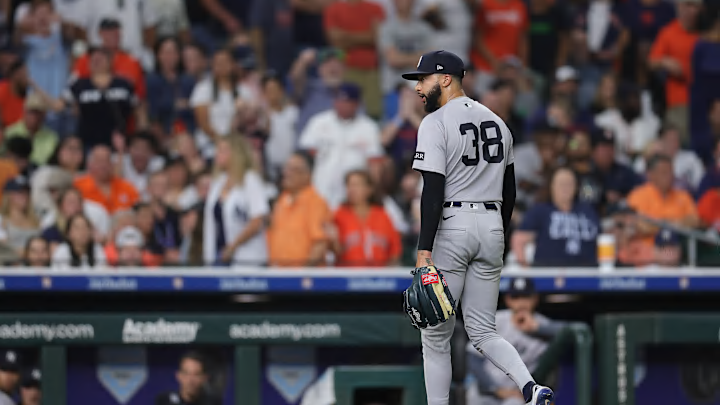
In building their bullpen this past offseason, the Yankees made three significant moves with varying degrees of pizzazz. The biggest domino was trading for Devin Williams, but aside from him, they also traded Jose Trevino to the Cincinnati Reds in exchange for Fernando Cruz and reunited with lefty specialist Tim Hill in free agency.
Hill has been as good as expected, but as a soft-tossing side-winding lefty, he has his limitations. Williams and Cruz, on the other hand, are different stories. Their pinstripe tenures couldn't have begun more differently. In the first month of the season, Cruz had ascended to a primary setup role with a 1.62 ERA. Williams was awful from the start, posting a 9.00 ERA in the season's opening month.
Cruz would then go on to show some inconsistency, with a 5.14 ERA in May and a better, but not as dominant, 3.86 mark in June before hitting the injured list with a strained oblique. It's been more of the same inconsistency since he's returned from the IL, and it shouldn't be a surprise. After all, this is a 35-year-old who didn't make his big league debut until 2022 and posted a 4.91 ERA over 66 innings in 2023, and a 4.86 ERA over 66.2 innings last season.
Williams, on the other hand, is harder to ding them for. He had been arguably the best closer in baseball, but outside of low-leverage situations this year, he's regularly been an arsonist. Maybe Pete Alonso destroyed his confidence? Who knows? Untangling his fall from grace is one of baseball's greatest mysteries.
These two additions, plus Luke Weaver, were supposed to lock down the late innings all year long. Instead, they prompted the Yankees to add three more bullpen arms at the trade deadline, which have been good, bad, and ugly, respectively.
David Bednar came in and stabilized things, posting a 2.70 ERA since being traded from Pittsburgh. Camilo Doval has been a disaster since arriving from San Francisco with a 6.59 ERA. The third piece, Jake Bird, was quickly banished to Triple-A.
The Yankees could have made different choices this offseason, which then would have freed them up to use the assets they spent on fixing their bullpen in different ways. Old friend David Robertson was an option, and since signing with the Phillies later on in the season, he's proven that age is just a number with a 2.84 ERA. Kenley Jansen of the Angels would've been another solid choice. He didn't sign until right before spring training and has posted a 2.83 ERA while solidifying his Cooperstown case.
The reasons why the Yankees made the choices they did have to do with finances. Williams is in his last year of arbitration, keeping his salary low. Cruz is making just $785,000 this year and will reach his first year of arbitration in the offseason. What influenced this financial motivation leads to the second decision that could come back to bite them...
Letting bad contracts get in the way of making necessary moves
The Yankees opened the season knowing they had a hole at third base, something that's wild for a team with a payroll pushing $300 million. Something like that happens for a very simple reason: bad contracts.
An annoying aspect of the Brian Cashman era, the Yankees have regularly signed players to longer-term deals than necessary in order to spread the money out over a longer period of time, thus lowering the contract's average annual value and the luxury tax implications.
That strategy might work if you have an unlimited budget, but Hal Steinbrenner's hard line in the sand means essentially part of that budget will be inaccessible when these deals inevitably become untenable.
In this instance, Marcus Stroman and DJ LeMahieu were handed deals that far outlasted their usefulness, and handcuffed the Yankees in the process. Ultimately, New York chose to eat the money, but they didn't re-invest it in the team, and did so well after the roster spot could be given to someone who could've made an impact.
Going back to the bullpen for a second, if the Yankees hadn't had this money on the books (or had simply accepted it as a sunk cost and chose not to let it impede their spending) they could've signed Robertson and Jansen to pair with Weaver in the back end, while holding on to Caleb Durbin to man the hot corner. That would have allowed them to focus on other needs at the deadline as well.
Instead, the Yankees let their stubbornness get the better of them, meaning they had to make several panic trades in July, which have all had varying degrees of success or failure.
Not providing Anthony Volpe with viable competition at shortstop
Speaking of Yankee stubbornness, the steadfast belief in Anthony Volpe has proven to be one of the most detrimental aspects of team-building the Yankees have undertaken.
From rushing him through the minor leagues, to anointing him with little more than a token competition, to not having the courage to challenge his playing time despite years of stagnation and even regression, the Yankees are at a breaking point with their struggling young shortstop.
The Yankees have Jose Caballero in the fold now, though they've been reluctant to allow him to fully supplant Volpe, if even temporarily. There's some validity to that. The speedy Caballero is a more solid glove, but he's not a whiz with the bat either, and locking him into one position takes away one of his most valuable traits, his versatility.
The shortstop market wasn't exactly flush this past offseason. It's unlikely that Willy Adames lives up to the megadeal the San Francisco Giants gave him, and the drop-off in talent after him was pretty steep. Still, there are a few things the club could have done.
The Dodgers landed Hyeseong Kim from Korea, and while he's been mostly a utility player, he can play short and has looked decent enough in his limited action with a .287/.323/.380 slash line. Another option, while he's had a more disappointing season, would've been the veteran Ha-Seong Kim, who had been coming off three straight years with a 101 wRC+ or better with the San Diego Padres. It took him a significant amount of time to return, but he's now healthy and contributing for Atlanta.
Perhaps the club could have found a different and creative solution beyond those two alternatives. Whatever the case, the club decided to roll with Volpe, and now may have completely broken him just in time for October to roll around. With no real suitable replacement, they'll have to face the fact that his struggles at the plate and in the field will likely come to the forefront in big moments, and ultimately could cost them big time.
 Add us as a preferred source on Google