%20%20--%3E%0A%3Csvg%20version%3D%221.1%22%20xmlns%3D%22http%3A%2F%2Fwww.w3.org%2F2000%2Fsvg%22%20xmlns%3Axlink%3D%22http%3A%2F%2Fwww.w3.org%2F1999%2Fxlink%22%20x%3D%220px%22%20y%3D%220px%22%0A%09%20viewBox%3D%220%200%202329.5%20200%22%20style%3D%22enable-background%3Anew%200%200%202329.5%20200%3B%22%20xml%3Aspace%3D%22preserve%22%3E%0A%3Cstyle%20type%3D%22text%2Fcss%22%3E%0A%09.st0%7Bfill%3A%23231F20%3B%7D%0A%09.st1%7Bfill%3A%23001641%3B%7D%0A%09.st2%7Bfill%3A%23FFFFFF%3B%7D%0A%09.st3%7Bfill%3A%23999999%3B%7D%0A%3C%2Fstyle%3E%0A%3Cg%20id%3D%22Template%22%3E%0A%3C%2Fg%3E%0A%3Cg%20id%3D%22Layer_2%22%3E%0A%09%3Cg%3E%0A%09%09%3Cpath%20class%3D%22st2%22%20d%3D%22M190.3%2C6.4h-77.2l-2.8%2C34.5h8.3c5%2C0%2C7.4%2C1.4%2C7.4%2C4.1c0%2C0.8-0.2%2C1.8-0.6%2C2.8L96.6%2C96l-29-48.3%0A%09%09%09c-0.4-1-0.6-1.9-0.6-2.8c0-2.8%2C2.5-4.1%2C7.4-4.1h8.3L80%2C6.4H2.8L0%2C40.9h11c4.6%2C0%2C8.7%2C2.3%2C12.4%2C6.9l52.3%2C82.6v27.7%0A%09%09%09c0%2C4.6-2.3%2C6.9-6.9%2C6.9H48.1l2.8%2C34.5h91l2.8-34.5H124c-4.6%2C0-6.9-2.3-6.9-6.9v-27.6h0.1l52.4-82.8c3.7-4.6%2C7.8-6.9%2C12.4-6.9h11%0A%09%09%09L190.3%2C6.4z%22%2F%3E%0A%09%09%3Cpath%20class%3D%22st2%22%20d%3D%22M379.3%2C158.1L351.7%2C47.8c0-4.6%2C2.3-6.9%2C6.9-6.9h9.7l-2.8-34.5h-131l-2.8%2C34.5h9.7c4.6%2C0%2C6.9%2C2.3%2C6.9%2C6.9%0A%09%09%09l-27.6%2C110.3c-2.8%2C4.6-6.4%2C6.9-11%2C6.9h-16.6l2.8%2C34.5h80l2.8-34.5H269c-4.6%2C0-6.9-2.3-6.9-6.9l4.8-20.7h66.2l4.8%2C20.7%0A%09%09%09c0%2C4.6-2.3%2C6.9-6.9%2C6.9h-9.7l2.8%2C34.5h80l2.8-34.5h-16.6C385.7%2C165%2C382.1%2C162.7%2C379.3%2C158.1z%20M274.5%2C105.6l15.2-64.7h20.7%0A%09%09%09l15.2%2C64.7H274.5z%22%2F%3E%0A%09%09%3Cpath%20class%3D%22st2%22%20d%3D%22M537.7%2C6.4l-2.8%2C34.5h20.7c4.6%2C0%2C6.9%2C2.3%2C6.9%2C6.9v80l-69-121.4h-66.2l-2.8%2C34.5h20.7c4.6%2C0%2C6.9%2C2.3%2C6.9%2C6.9%0A%09%09%09v110.3c0%2C4.6-2.3%2C6.9-6.9%2C6.9h-20.7l2.8%2C34.5h91l2.8-34.5h-20.7c-4.6%2C0-6.9-2.3-6.9-6.9v-80l69%2C121.4h41.4V47.8%0A%09%09%09c0-4.6%2C2.3-6.9%2C6.9-6.9h20.7l-2.8-34.5H537.7z%22%2F%3E%0A%09%09%3Cpath%20class%3D%22st2%22%20d%3D%22M814.6%2C158.1l-22.8-55.3h-6.8l22.6-55c1.8-4.6%2C5-6.9%2C9.7-6.9h17.9l-2.8-34.5h-52.4l-32.6%2C80h-29.5V47.8%0A%09%09%09c0-4.6%2C2.3-6.9%2C6.9-6.9h20.7l-2.8-34.5h-91l-2.8%2C34.5h20.7c4.6%2C0%2C6.9%2C2.3%2C6.9%2C6.9v110.3c0%2C4.6-2.3%2C6.9-6.9%2C6.9h-20.7l2.8%2C34.5h91%0A%09%09%09l2.8-34.5H725c-4.6%2C0-6.9-2.3-6.9-6.9v-37.2h37l32%2C78.6h52.4l2.8-34.5h-17.9C819.7%2C165%2C816.4%2C162.7%2C814.6%2C158.1z%22%2F%3E%0A%09%09%3Cpath%20class%3D%22st2%22%20d%3D%22M997.8%2C13.8c-6.8-5-16-7.4-27.6-7.4h-69c-27.6%2C0-41.4%2C13.8-41.4%2C41.4v27.6c0%2C27.6%2C13.8%2C41.4%2C41.4%2C41.4h75.9%0A%09%09%09c4.6%2C0%2C6.9%2C2.3%2C6.9%2C6.9v34.5c0%2C4.6-2.3%2C6.9-6.9%2C6.9h-75.9v-27.6h-41.4v62.1H984c27.6%2C0%2C41.4-13.8%2C41.4-41.4v-34.5%0A%09%09%09c0-27.6-13.8-41.4-41.4-41.4h-75.9c-4.6%2C0-6.9-2.3-6.9-6.9V47.8c0-4.6%2C2.3-6.9%2C6.9-6.9h69c4.6%2C0%2C6.9%2C2.3%2C6.9%2C6.9v20.7h41.4v-69%0A%09%09%09h-27.6V13.8z%22%2F%3E%0A%09%09%3Cpath%20class%3D%22st2%22%20d%3D%22M1233.9%2C13.8c-6.8-5-16-7.4-27.6-7.4h-69c-27.6%2C0-41.4%2C13.8-41.4%2C41.4v110.3c0%2C27.6%2C13.8%2C41.4%2C41.4%2C41.4h82.8%0A%09%09%09c27.6%2C0%2C41.4-13.8%2C41.4-41.4v-69h-75.9v34.5h34.5v34.5c0%2C4.6-2.3%2C6.9-6.9%2C6.9h-69c-4.6%2C0-6.9-2.3-6.9-6.9V47.8%0A%09%09%09c0-4.6%2C2.3-6.9%2C6.9-6.9h69c4.6%2C0%2C6.9%2C2.3%2C6.9%2C6.9v20.7h41.4v-69h-27.6V13.8z%22%2F%3E%0A%09%09%3Cpath%20class%3D%22st2%22%20d%3D%22M1403.3%2C6.4h-82.8c-27.6%2C0-41.4%2C13.8-41.4%2C41.4v110.3c0%2C27.6%2C13.8%2C41.4%2C41.4%2C41.4h82.8%0A%09%09%09c27.6%2C0%2C41.4-13.8%2C41.4-41.4V47.8C1444.7%2C20.2%2C1430.9%2C6.4%2C1403.3%2C6.4z%20M1403.3%2C158.1c0%2C4.6-2.3%2C6.9-6.9%2C6.9h-69%0A%09%09%09c-4.6%2C0-6.9-2.3-6.9-6.9V47.8c0-4.6%2C2.3-6.9%2C6.9-6.9h69c4.6%2C0%2C6.9%2C2.3%2C6.9%2C6.9V158.1z%22%2F%3E%0A%09%09%3Cpath%20class%3D%22st2%22%20d%3D%22M1705.7%2C6.4h-77.2l-2.8%2C34.5h8.3c5%2C0%2C7.4%2C1.4%2C7.4%2C4.1c0%2C0.8-0.2%2C1.8-0.6%2C2.8l-29%2C48.3l-29-48.3%0A%09%09%09c-0.4-1-0.6-1.9-0.6-2.8c0-2.8%2C2.5-4.1%2C7.4-4.1h8.3l-2.8-34.5h-77.2l-2.8%2C34.5h11c4.6%2C0%2C8.7%2C2.3%2C12.4%2C6.9l52.3%2C82.6v27.7%0A%09%09%09c0%2C4.6-2.3%2C6.9-6.9%2C6.9h-20.7l2.8%2C34.5h91l2.8-34.5h-20.7c-4.6%2C0-6.9-2.3-6.9-6.9v-27.6h0.1l52.4-82.8c3.7-4.6%2C7.8-6.9%2C12.4-6.9%0A%09%09%09h11L1705.7%2C6.4z%22%2F%3E%0A%09%09%3Cpath%20class%3D%22st2%22%20d%3D%22M1894.1%2C158.1l-27.6-110.3c0-4.6%2C2.3-6.9%2C6.9-6.9h9.7l-2.8-34.5h-131l-2.8%2C34.5h9.7c4.6%2C0%2C6.9%2C2.3%2C6.9%2C6.9%0A%09%09%09l-27.6%2C110.3c-2.8%2C4.6-6.4%2C6.9-11%2C6.9h-16.6l2.8%2C34.5h80l2.8-34.5h-9.7c-4.6%2C0-6.9-2.3-6.9-6.9l4.8-20.7h66.2l4.8%2C20.7%0A%09%09%09c0%2C4.6-2.3%2C6.9-6.9%2C6.9h-9.7l2.8%2C34.5h80l2.8-34.5h-16.6C1900.6%2C165%2C1896.9%2C162.7%2C1894.1%2C158.1z%20M1789.3%2C105.6l15.2-64.7h20.7%0A%09%09%09l15.2%2C64.7H1789.3z%22%2F%3E%0A%09%09%3Cpath%20class%3D%22st2%22%20d%3D%22M2104.9%2C158.1l-14.9-35.6c19.1-3.9%2C28.7-17.3%2C28.7-40.3V47.8c0-27.6-13.8-41.4-41.4-41.4h-135.2l-2.8%2C34.5%0A%09%09%09h20.7c4.6%2C0%2C6.9%2C2.3%2C6.9%2C6.9v110.3c0%2C4.6-2.3%2C6.9-6.9%2C6.9h-20.7l2.8%2C34.5h91l2.8-34.5h-20.7c-4.6%2C0-6.9-2.3-6.9-6.9v-34.5h38.1%0A%09%09%09l30.9%2C75.9h52.4l2.8-34.5h-17.9C2109.9%2C165%2C2106.7%2C162.7%2C2104.9%2C158.1z%20M2077.3%2C82.2c0%2C4.6-2.3%2C6.9-6.9%2C6.9h-62.1V47.8%0A%09%09%09c0-4.6%2C2.3-6.9%2C6.9-6.9h55.2c4.6%2C0%2C6.9%2C2.3%2C6.9%2C6.9V82.2z%22%2F%3E%0A%09%09%3Cpath%20class%3D%22st2%22%20d%3D%22M2288.1%2C6.4h-135.2l-2.8%2C34.5h20.7c4.6%2C0%2C6.9%2C2.3%2C6.9%2C6.9v110.3c0%2C4.6-2.3%2C6.9-6.9%2C6.9h-20.7l2.8%2C34.5h135.2%0A%09%09%09c27.6%2C0%2C41.4-13.8%2C41.4-41.4V47.8C2329.5%2C20.2%2C2315.7%2C6.4%2C2288.1%2C6.4z%20M2288.1%2C158.1c0%2C4.6-2.3%2C6.9-6.9%2C6.9H2226%0A%09%09%09c-4.6%2C0-6.9-2.3-6.9-6.9V47.8c0-4.6%2C2.3-6.9%2C6.9-6.9h55.2c4.6%2C0%2C6.9%2C2.3%2C6.9%2C6.9V158.1z%22%2F%3E%0A%09%3C%2Fg%3E%0A%3C%2Fg%3E%0A%3C%2Fsvg%3E%0A)

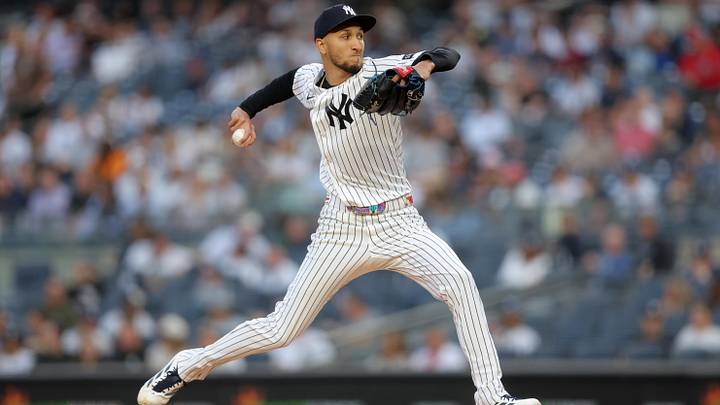
The Yankees are contenders again this season, and with contention comes major expectations for the front office to make the right moves at the trade deadline. The bullpen has been a subject of conversation all season, the lineup has been managing injuries at every level, and with Aaron Judge on the shelf for up to two months, the urgency to fill gaps is real.
This good news is Brian Cashman has the assets to do damage — but he has to be smart about which prospects he moves and which ones he protects. Not all trade chips are created equal, and the wrong deal at the wrong price can undo years of development in an organization that's been building toward something. So, let’s dive into the cheat sheet.
2 top prospects Yankees should trade at 2026 deadline
Spencer Jones, OF
Spencer Jones may just be the most logical trade piece in this system, even with some of the shine off his name after a relatively quiet start to his big-league exposure. The raw power is still there, but the swing-and-miss rate that has plagued him throughout his career hasn't gone away at the next level either, and a 40% strikeout mark is a profile a contending team can't afford to ride through an adjustment period in October.
Here's the thing, though: a team selling at the deadline might have the patience Jones needs. A rebuilding club can afford to let a 6'7'' power bat work through the growing pains of learning major-league pitching. The Yankees can't — not with Judge, Cody Bellinger and Trent Grisham owning the outfield spots under contract and a window that's open right now. Jones is blocked, his trade value is still real, and packages built around him have already started surfacing publicly, including proposals that would bring Tarik Skubal to the Bronx.
The concern after moving him is understandable, because the outfield pipeline thins quickly in the top 20 once Jones is gone. But Dax Kilby — currently rehabbing a hamstring injury and just starting game action in 2026 — is a future piece worth watching in that context. Scouts project the lefty-hitting shortstop will eventually move off the position given a stiffer arm slot, with second base or the outfield as the likely landing spots. He's nowhere near ready to fill that role now, but he's the kind of high-athleticism, long-term asset that gives the organization some runway if Jones is dealt. The risk of moving your highest-value outfield prospect is real. So is the cost of watching him stagnate with nowhere to play.
Elmer Rodriguez, RHP
Rodriguez gets overlooked in these conversations because Jones commands the headlines, but he belongs in the same category for a different and arguably more compelling reason: organizational depth. The Yankees already have a queue of arms developing behind him that makes his value better served as a trade chip than a future rotation piece.
Ben Hess posted a 3.22 ERA with 12.1 strikeouts per nine at Double-A Somerset last year and is tracking toward a MLB debut sooner than later. Bryce Cunningham is right behind him at High-A on essentially the same timeline. And Chase Hampton — the former top-100 arm who's been working back from Tommy John surgery — is already at Double-A Somerset and could be available in the second half of this season if everything goes right. Stack that behind a rotation that already has Gerrit Cole, Max Fried, Carlos Rodón and Clarke Schmidt under contract (not to mention the current Cy Young favorite, Cam Schlittler and Will Warren are also under team control), and Rodriguez becomes expendable — not because he isn't talented, but because the system behind him is deep enough to absorb the loss without blinking. He's already gotten big-league looks, his stock is high, and he could headline the pitching side of a return package that brings back exactly the kind of high-leverage bullpen arm this roster needs.
2 Yankees prospects who should be untouchable at 2026 trade deadline
George Lombard Jr., SS
Lombard just landed on the seven-day IL at Triple-A after spraining two fingers on his glove hand during a play last week. The tests came back clean with no structural damage. But the injury is a frustrating reminder of how fragile a development timeline can be, and exactly why the Yankees need to guard this one carefully.
He's 21 years old. He's the No. 1 prospect in the organization and No. 18 in all of baseball, per MLB Pipeline. He was on a nine-game hitting streak before the play, hitting .306 with a .949 OPS in June at Triple-A. He's a shortstop who has also made starts at second and third base, giving him multiple defensive homes.
The deeper case for keeping him is the one that matters most heading into next season and beyond: the Yankees don't have a definitive answer at shortstop long-term. Anthony Volpe has posted wRC+ marks of 83, 87 and 83 (120 so far this year in 30 games) across three big-league seasons. José Caballero and Amed Rosario are functional, versatile pieces — not franchise cornerstones. Lombard is. His MLB ETA is likely 2027, which means there's zero pressure on him to be a contributor this year, and the Yankees are in a position comfortable enough to let him develop without forcing the issue. Rival executives consider him untouchable in trade talks, plus ESPN's Kiley McDaniel has him as the only Yankee on his most recent top-50 list. Trading him would solve a short-term problem by creating a long-term one. It doesn't make sense to trade him, even for Skubal, especially given the names and pedigree of the current starting rotation.
Carlos Lagrange, RHP
This is one of the most electric names in the system right now, and if you've been following what's happening at Triple-A Scranton, you already know why. On June 3, the Yankees shifted Lagrange to the bullpen — a move Aaron Boone described as a "2026 lens" decision that doesn't disrupt his long-term development as a starter.
LaGgrange's fastball averages 98.9 mph as a starter, has touched 103, and carries a 70 grade on MLB Pipeline's 20-80 scale — one of the highest marks in the entire minor leagues. His sweeping mid-80s slider grades at 60. The Dellin Betances comparisons are practically automatic: the same 6'7'' Dominican frame, the same electric heater, the same path from starter to bullpen hammer driven by control issues that are real but workable. Boone made clear the organization still believes in Lagrange as a starting pitcher long-term. But in the short term, the plan is to get him stretched out in relief at Triple-A and target a promotion that could come before the deadline.
There have been some growing pains in his first few relief outings — elevated walks, a couple of rough innings, the kind of adjustment every starter goes through when transitioning to shorter stints. With that said, Lagrange has a 2.19 ERA with a 1.14 WHIP and 17 K's in 12.1 innings in his first taste of bullpen action. The Yankees' bullpen has been one of the most scrutinized parts of this roster all season, and Lagrange could be an in-house answer that's nearly arrived. You don't trade that. You promote it, protect it, and let it close out innings in September and October.
What To Expect Next
The deadline is about knowing which pieces serve you better as trade chips than as roster spots, and which ones you're going to regret the moment they hit their ceiling somewhere else. Jones and Rodriguez are the right chips to spend: one because he's blocked with no clear path to playing time, the other because the depth behind him makes him more valuable on the open market than in the system. Lombard and Lagrange are the reasons you don't have to overspend to get there. Protect them, move the others, and let Cashman go find the pieces this roster still needs.
 Add us as a preferred source on Google