%20%20--%3E%0A%3Csvg%20version%3D%221.1%22%20xmlns%3D%22http%3A%2F%2Fwww.w3.org%2F2000%2Fsvg%22%20xmlns%3Axlink%3D%22http%3A%2F%2Fwww.w3.org%2F1999%2Fxlink%22%20x%3D%220px%22%20y%3D%220px%22%0A%09%20viewBox%3D%220%200%202329.5%20200%22%20style%3D%22enable-background%3Anew%200%200%202329.5%20200%3B%22%20xml%3Aspace%3D%22preserve%22%3E%0A%3Cstyle%20type%3D%22text%2Fcss%22%3E%0A%09.st0%7Bfill%3A%23231F20%3B%7D%0A%09.st1%7Bfill%3A%23001641%3B%7D%0A%09.st2%7Bfill%3A%23FFFFFF%3B%7D%0A%09.st3%7Bfill%3A%23999999%3B%7D%0A%3C%2Fstyle%3E%0A%3Cg%20id%3D%22Template%22%3E%0A%3C%2Fg%3E%0A%3Cg%20id%3D%22Layer_2%22%3E%0A%09%3Cg%3E%0A%09%09%3Cpath%20class%3D%22st2%22%20d%3D%22M190.3%2C6.4h-77.2l-2.8%2C34.5h8.3c5%2C0%2C7.4%2C1.4%2C7.4%2C4.1c0%2C0.8-0.2%2C1.8-0.6%2C2.8L96.6%2C96l-29-48.3%0A%09%09%09c-0.4-1-0.6-1.9-0.6-2.8c0-2.8%2C2.5-4.1%2C7.4-4.1h8.3L80%2C6.4H2.8L0%2C40.9h11c4.6%2C0%2C8.7%2C2.3%2C12.4%2C6.9l52.3%2C82.6v27.7%0A%09%09%09c0%2C4.6-2.3%2C6.9-6.9%2C6.9H48.1l2.8%2C34.5h91l2.8-34.5H124c-4.6%2C0-6.9-2.3-6.9-6.9v-27.6h0.1l52.4-82.8c3.7-4.6%2C7.8-6.9%2C12.4-6.9h11%0A%09%09%09L190.3%2C6.4z%22%2F%3E%0A%09%09%3Cpath%20class%3D%22st2%22%20d%3D%22M379.3%2C158.1L351.7%2C47.8c0-4.6%2C2.3-6.9%2C6.9-6.9h9.7l-2.8-34.5h-131l-2.8%2C34.5h9.7c4.6%2C0%2C6.9%2C2.3%2C6.9%2C6.9%0A%09%09%09l-27.6%2C110.3c-2.8%2C4.6-6.4%2C6.9-11%2C6.9h-16.6l2.8%2C34.5h80l2.8-34.5H269c-4.6%2C0-6.9-2.3-6.9-6.9l4.8-20.7h66.2l4.8%2C20.7%0A%09%09%09c0%2C4.6-2.3%2C6.9-6.9%2C6.9h-9.7l2.8%2C34.5h80l2.8-34.5h-16.6C385.7%2C165%2C382.1%2C162.7%2C379.3%2C158.1z%20M274.5%2C105.6l15.2-64.7h20.7%0A%09%09%09l15.2%2C64.7H274.5z%22%2F%3E%0A%09%09%3Cpath%20class%3D%22st2%22%20d%3D%22M537.7%2C6.4l-2.8%2C34.5h20.7c4.6%2C0%2C6.9%2C2.3%2C6.9%2C6.9v80l-69-121.4h-66.2l-2.8%2C34.5h20.7c4.6%2C0%2C6.9%2C2.3%2C6.9%2C6.9%0A%09%09%09v110.3c0%2C4.6-2.3%2C6.9-6.9%2C6.9h-20.7l2.8%2C34.5h91l2.8-34.5h-20.7c-4.6%2C0-6.9-2.3-6.9-6.9v-80l69%2C121.4h41.4V47.8%0A%09%09%09c0-4.6%2C2.3-6.9%2C6.9-6.9h20.7l-2.8-34.5H537.7z%22%2F%3E%0A%09%09%3Cpath%20class%3D%22st2%22%20d%3D%22M814.6%2C158.1l-22.8-55.3h-6.8l22.6-55c1.8-4.6%2C5-6.9%2C9.7-6.9h17.9l-2.8-34.5h-52.4l-32.6%2C80h-29.5V47.8%0A%09%09%09c0-4.6%2C2.3-6.9%2C6.9-6.9h20.7l-2.8-34.5h-91l-2.8%2C34.5h20.7c4.6%2C0%2C6.9%2C2.3%2C6.9%2C6.9v110.3c0%2C4.6-2.3%2C6.9-6.9%2C6.9h-20.7l2.8%2C34.5h91%0A%09%09%09l2.8-34.5H725c-4.6%2C0-6.9-2.3-6.9-6.9v-37.2h37l32%2C78.6h52.4l2.8-34.5h-17.9C819.7%2C165%2C816.4%2C162.7%2C814.6%2C158.1z%22%2F%3E%0A%09%09%3Cpath%20class%3D%22st2%22%20d%3D%22M997.8%2C13.8c-6.8-5-16-7.4-27.6-7.4h-69c-27.6%2C0-41.4%2C13.8-41.4%2C41.4v27.6c0%2C27.6%2C13.8%2C41.4%2C41.4%2C41.4h75.9%0A%09%09%09c4.6%2C0%2C6.9%2C2.3%2C6.9%2C6.9v34.5c0%2C4.6-2.3%2C6.9-6.9%2C6.9h-75.9v-27.6h-41.4v62.1H984c27.6%2C0%2C41.4-13.8%2C41.4-41.4v-34.5%0A%09%09%09c0-27.6-13.8-41.4-41.4-41.4h-75.9c-4.6%2C0-6.9-2.3-6.9-6.9V47.8c0-4.6%2C2.3-6.9%2C6.9-6.9h69c4.6%2C0%2C6.9%2C2.3%2C6.9%2C6.9v20.7h41.4v-69%0A%09%09%09h-27.6V13.8z%22%2F%3E%0A%09%09%3Cpath%20class%3D%22st2%22%20d%3D%22M1233.9%2C13.8c-6.8-5-16-7.4-27.6-7.4h-69c-27.6%2C0-41.4%2C13.8-41.4%2C41.4v110.3c0%2C27.6%2C13.8%2C41.4%2C41.4%2C41.4h82.8%0A%09%09%09c27.6%2C0%2C41.4-13.8%2C41.4-41.4v-69h-75.9v34.5h34.5v34.5c0%2C4.6-2.3%2C6.9-6.9%2C6.9h-69c-4.6%2C0-6.9-2.3-6.9-6.9V47.8%0A%09%09%09c0-4.6%2C2.3-6.9%2C6.9-6.9h69c4.6%2C0%2C6.9%2C2.3%2C6.9%2C6.9v20.7h41.4v-69h-27.6V13.8z%22%2F%3E%0A%09%09%3Cpath%20class%3D%22st2%22%20d%3D%22M1403.3%2C6.4h-82.8c-27.6%2C0-41.4%2C13.8-41.4%2C41.4v110.3c0%2C27.6%2C13.8%2C41.4%2C41.4%2C41.4h82.8%0A%09%09%09c27.6%2C0%2C41.4-13.8%2C41.4-41.4V47.8C1444.7%2C20.2%2C1430.9%2C6.4%2C1403.3%2C6.4z%20M1403.3%2C158.1c0%2C4.6-2.3%2C6.9-6.9%2C6.9h-69%0A%09%09%09c-4.6%2C0-6.9-2.3-6.9-6.9V47.8c0-4.6%2C2.3-6.9%2C6.9-6.9h69c4.6%2C0%2C6.9%2C2.3%2C6.9%2C6.9V158.1z%22%2F%3E%0A%09%09%3Cpath%20class%3D%22st2%22%20d%3D%22M1705.7%2C6.4h-77.2l-2.8%2C34.5h8.3c5%2C0%2C7.4%2C1.4%2C7.4%2C4.1c0%2C0.8-0.2%2C1.8-0.6%2C2.8l-29%2C48.3l-29-48.3%0A%09%09%09c-0.4-1-0.6-1.9-0.6-2.8c0-2.8%2C2.5-4.1%2C7.4-4.1h8.3l-2.8-34.5h-77.2l-2.8%2C34.5h11c4.6%2C0%2C8.7%2C2.3%2C12.4%2C6.9l52.3%2C82.6v27.7%0A%09%09%09c0%2C4.6-2.3%2C6.9-6.9%2C6.9h-20.7l2.8%2C34.5h91l2.8-34.5h-20.7c-4.6%2C0-6.9-2.3-6.9-6.9v-27.6h0.1l52.4-82.8c3.7-4.6%2C7.8-6.9%2C12.4-6.9%0A%09%09%09h11L1705.7%2C6.4z%22%2F%3E%0A%09%09%3Cpath%20class%3D%22st2%22%20d%3D%22M1894.1%2C158.1l-27.6-110.3c0-4.6%2C2.3-6.9%2C6.9-6.9h9.7l-2.8-34.5h-131l-2.8%2C34.5h9.7c4.6%2C0%2C6.9%2C2.3%2C6.9%2C6.9%0A%09%09%09l-27.6%2C110.3c-2.8%2C4.6-6.4%2C6.9-11%2C6.9h-16.6l2.8%2C34.5h80l2.8-34.5h-9.7c-4.6%2C0-6.9-2.3-6.9-6.9l4.8-20.7h66.2l4.8%2C20.7%0A%09%09%09c0%2C4.6-2.3%2C6.9-6.9%2C6.9h-9.7l2.8%2C34.5h80l2.8-34.5h-16.6C1900.6%2C165%2C1896.9%2C162.7%2C1894.1%2C158.1z%20M1789.3%2C105.6l15.2-64.7h20.7%0A%09%09%09l15.2%2C64.7H1789.3z%22%2F%3E%0A%09%09%3Cpath%20class%3D%22st2%22%20d%3D%22M2104.9%2C158.1l-14.9-35.6c19.1-3.9%2C28.7-17.3%2C28.7-40.3V47.8c0-27.6-13.8-41.4-41.4-41.4h-135.2l-2.8%2C34.5%0A%09%09%09h20.7c4.6%2C0%2C6.9%2C2.3%2C6.9%2C6.9v110.3c0%2C4.6-2.3%2C6.9-6.9%2C6.9h-20.7l2.8%2C34.5h91l2.8-34.5h-20.7c-4.6%2C0-6.9-2.3-6.9-6.9v-34.5h38.1%0A%09%09%09l30.9%2C75.9h52.4l2.8-34.5h-17.9C2109.9%2C165%2C2106.7%2C162.7%2C2104.9%2C158.1z%20M2077.3%2C82.2c0%2C4.6-2.3%2C6.9-6.9%2C6.9h-62.1V47.8%0A%09%09%09c0-4.6%2C2.3-6.9%2C6.9-6.9h55.2c4.6%2C0%2C6.9%2C2.3%2C6.9%2C6.9V82.2z%22%2F%3E%0A%09%09%3Cpath%20class%3D%22st2%22%20d%3D%22M2288.1%2C6.4h-135.2l-2.8%2C34.5h20.7c4.6%2C0%2C6.9%2C2.3%2C6.9%2C6.9v110.3c0%2C4.6-2.3%2C6.9-6.9%2C6.9h-20.7l2.8%2C34.5h135.2%0A%09%09%09c27.6%2C0%2C41.4-13.8%2C41.4-41.4V47.8C2329.5%2C20.2%2C2315.7%2C6.4%2C2288.1%2C6.4z%20M2288.1%2C158.1c0%2C4.6-2.3%2C6.9-6.9%2C6.9H2226%0A%09%09%09c-4.6%2C0-6.9-2.3-6.9-6.9V47.8c0-4.6%2C2.3-6.9%2C6.9-6.9h55.2c4.6%2C0%2C6.9%2C2.3%2C6.9%2C6.9V158.1z%22%2F%3E%0A%09%3C%2Fg%3E%0A%3C%2Fg%3E%0A%3C%2Fsvg%3E%0A)

Early offseason rumors indicated that Austin Wells will remain the New York Yankees' primary catcher in 2027. The much-criticized backstop believes that multiple blows to the head via foul tips and hitters' backswings gave him the cervical headaches that caused him to miss time and dramatically impacted his first-half performance.
It's true that Wells was markedly better in the second half, hitting .229/.351/.436 down the stretch. He was also significantly better against right-handed pitching than against lefties, with a 97 wRC+ with the platoon advantage versus 19 wRC+ without it. The thought is all the Yankees have to do is throw in a veteran right-handed-hitting catcher who can beat out Ali Sanchez, and the problem is solved.
Still, it's not just that Wells struggled in 2026, but really, his entire career has been a failure to live up to expectations. If you recall, when he was a prospect, the appeal was his bat, and his defense was supposed to be a work in progress. Now it's his defense, primarily pitch framing, that has held up most of his value since his debut in 2023.
Austin Wells’ 2026 regular season:
— SleeperYankees (@SleeperYankees) October 25, 2026
122 games
.186 AVG
14 HR
32 RBI
.624 OPS
TRUE OR FALSE: The Yankees need to bring in someone who can challenge Wells for the starting catcher job in 2027. pic.twitter.com/q42nHpCgwc
Of the guys who hit right-handed and sit on the starter/backup cusp, Carson Kelly stands out as the best option. In his 10-step plan for the Yankees offseason, Chris Kirshner of The Athletic (subscription required) picked Kelly as the solution to platoon with Wells, assuming the Cubs decline their side of his $7.5 million mutual option.
Kelly has a history of mashing lefties, so it's not a bad option. However, if Wells were to go down and/or prove to be ineffective, it's hard to see Kelly stepping in and being a needle mover.
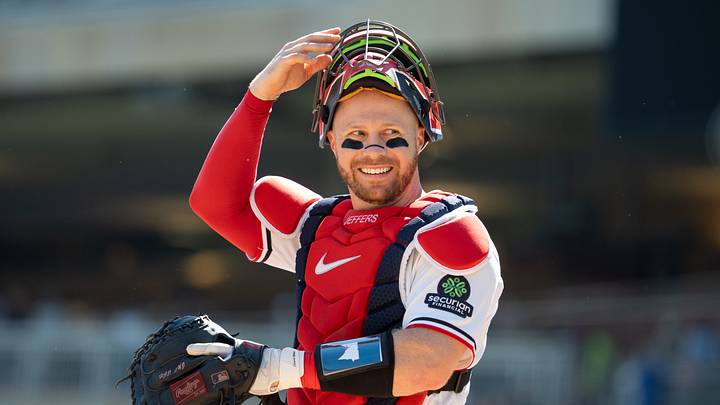
Kirschner's colleague, Jim Bowden, recently compiled a list of the top 40 free agents, and his contract projections for the top two catchers on the market, Ryan Jeffers and Tyler Stephenson, were much lower than many would expect.
Ryan Jeffers and Tyler Stephenson might have a softer market than expected, and the Yankees should pounce
Bowden projects a two-year, $15.5 million contract for Jeffers, who was once considered the Yankees' preferred trade target before the Twins pulled him off the block. The former MLB general manager's prediction for Stephenson is almost identical, coming in at $16 million over two years.
Ryan Jeffers is expected to receive the qualifying offer this winter from the #MNTwins (per Jon Heyman)
— SleeperTwins (@SleeperMLBTwins) October 16, 2026
They’ll have five days after the conclusion of the World Series make the offer which is set at $23.15 million pic.twitter.com/Q1YkIX1DtZ
There's a general feeling that Minnesota will tag Jeffers with the qualifying offer. Should that happen, it wouldn't be a shock to see his market dip that low, even after a superb .256/.353/.461 line in 2026. Even with a reasonable contract like what Bowden suggests, it's hard to see New York parting with a draft pick to sign him.
Stephenson could be a different story, though. It's hard to imagine the Cincinnati Reds, a team with a ton of needs, extending him the qualifying offer and risking getting Trent Grisham'd, torpedoing their budget in the process by eating the $23 million cost.
Many would consider Stephenson a distant second to Jeffers, all things considered, after the 30-year-old hit .241/.323/.404, but that doesn't tell the whole story. Entering 2026, Stephenson owned a career line of .261/.338/.426 versus a career mark of .239/.321/.419 for Jeffers.
Stephenson got off to an awful start this year, but rebounded as the season went on. He also posted hard-hit rates, exit velocities, and barrel rates that fell in the 71st, 80th, and 82nd percentiles, respectively. Defensively, he was a 97th-percentile pitch blocker and was the second-most aggressive ABS challenger among catchers, winning 68% of the 136 times he questioned the umpire.
For $8 million dollars a year, he'd only be marginally more expensive than Kelly, while providing a lot more upside. Stephenson could force Wells into the backup role and strengthen the roster overall. It's worth noting that Bowden's projections can be a little wacky at times, but it makes sense for the Yankees to kick the tires, and if the price really ends up being this low, Stephenson should be in pinstripes in 2026.
 Add us as a preferred source on Google