%20%20--%3E%0A%3Csvg%20version%3D%221.1%22%20xmlns%3D%22http%3A%2F%2Fwww.w3.org%2F2000%2Fsvg%22%20xmlns%3Axlink%3D%22http%3A%2F%2Fwww.w3.org%2F1999%2Fxlink%22%20x%3D%220px%22%20y%3D%220px%22%0A%09%20viewBox%3D%220%200%202329.5%20200%22%20style%3D%22enable-background%3Anew%200%200%202329.5%20200%3B%22%20xml%3Aspace%3D%22preserve%22%3E%0A%3Cstyle%20type%3D%22text%2Fcss%22%3E%0A%09.st0%7Bfill%3A%23231F20%3B%7D%0A%09.st1%7Bfill%3A%23001641%3B%7D%0A%09.st2%7Bfill%3A%23FFFFFF%3B%7D%0A%09.st3%7Bfill%3A%23999999%3B%7D%0A%3C%2Fstyle%3E%0A%3Cg%20id%3D%22Template%22%3E%0A%3C%2Fg%3E%0A%3Cg%20id%3D%22Layer_2%22%3E%0A%09%3Cg%3E%0A%09%09%3Cpath%20class%3D%22st2%22%20d%3D%22M190.3%2C6.4h-77.2l-2.8%2C34.5h8.3c5%2C0%2C7.4%2C1.4%2C7.4%2C4.1c0%2C0.8-0.2%2C1.8-0.6%2C2.8L96.6%2C96l-29-48.3%0A%09%09%09c-0.4-1-0.6-1.9-0.6-2.8c0-2.8%2C2.5-4.1%2C7.4-4.1h8.3L80%2C6.4H2.8L0%2C40.9h11c4.6%2C0%2C8.7%2C2.3%2C12.4%2C6.9l52.3%2C82.6v27.7%0A%09%09%09c0%2C4.6-2.3%2C6.9-6.9%2C6.9H48.1l2.8%2C34.5h91l2.8-34.5H124c-4.6%2C0-6.9-2.3-6.9-6.9v-27.6h0.1l52.4-82.8c3.7-4.6%2C7.8-6.9%2C12.4-6.9h11%0A%09%09%09L190.3%2C6.4z%22%2F%3E%0A%09%09%3Cpath%20class%3D%22st2%22%20d%3D%22M379.3%2C158.1L351.7%2C47.8c0-4.6%2C2.3-6.9%2C6.9-6.9h9.7l-2.8-34.5h-131l-2.8%2C34.5h9.7c4.6%2C0%2C6.9%2C2.3%2C6.9%2C6.9%0A%09%09%09l-27.6%2C110.3c-2.8%2C4.6-6.4%2C6.9-11%2C6.9h-16.6l2.8%2C34.5h80l2.8-34.5H269c-4.6%2C0-6.9-2.3-6.9-6.9l4.8-20.7h66.2l4.8%2C20.7%0A%09%09%09c0%2C4.6-2.3%2C6.9-6.9%2C6.9h-9.7l2.8%2C34.5h80l2.8-34.5h-16.6C385.7%2C165%2C382.1%2C162.7%2C379.3%2C158.1z%20M274.5%2C105.6l15.2-64.7h20.7%0A%09%09%09l15.2%2C64.7H274.5z%22%2F%3E%0A%09%09%3Cpath%20class%3D%22st2%22%20d%3D%22M537.7%2C6.4l-2.8%2C34.5h20.7c4.6%2C0%2C6.9%2C2.3%2C6.9%2C6.9v80l-69-121.4h-66.2l-2.8%2C34.5h20.7c4.6%2C0%2C6.9%2C2.3%2C6.9%2C6.9%0A%09%09%09v110.3c0%2C4.6-2.3%2C6.9-6.9%2C6.9h-20.7l2.8%2C34.5h91l2.8-34.5h-20.7c-4.6%2C0-6.9-2.3-6.9-6.9v-80l69%2C121.4h41.4V47.8%0A%09%09%09c0-4.6%2C2.3-6.9%2C6.9-6.9h20.7l-2.8-34.5H537.7z%22%2F%3E%0A%09%09%3Cpath%20class%3D%22st2%22%20d%3D%22M814.6%2C158.1l-22.8-55.3h-6.8l22.6-55c1.8-4.6%2C5-6.9%2C9.7-6.9h17.9l-2.8-34.5h-52.4l-32.6%2C80h-29.5V47.8%0A%09%09%09c0-4.6%2C2.3-6.9%2C6.9-6.9h20.7l-2.8-34.5h-91l-2.8%2C34.5h20.7c4.6%2C0%2C6.9%2C2.3%2C6.9%2C6.9v110.3c0%2C4.6-2.3%2C6.9-6.9%2C6.9h-20.7l2.8%2C34.5h91%0A%09%09%09l2.8-34.5H725c-4.6%2C0-6.9-2.3-6.9-6.9v-37.2h37l32%2C78.6h52.4l2.8-34.5h-17.9C819.7%2C165%2C816.4%2C162.7%2C814.6%2C158.1z%22%2F%3E%0A%09%09%3Cpath%20class%3D%22st2%22%20d%3D%22M997.8%2C13.8c-6.8-5-16-7.4-27.6-7.4h-69c-27.6%2C0-41.4%2C13.8-41.4%2C41.4v27.6c0%2C27.6%2C13.8%2C41.4%2C41.4%2C41.4h75.9%0A%09%09%09c4.6%2C0%2C6.9%2C2.3%2C6.9%2C6.9v34.5c0%2C4.6-2.3%2C6.9-6.9%2C6.9h-75.9v-27.6h-41.4v62.1H984c27.6%2C0%2C41.4-13.8%2C41.4-41.4v-34.5%0A%09%09%09c0-27.6-13.8-41.4-41.4-41.4h-75.9c-4.6%2C0-6.9-2.3-6.9-6.9V47.8c0-4.6%2C2.3-6.9%2C6.9-6.9h69c4.6%2C0%2C6.9%2C2.3%2C6.9%2C6.9v20.7h41.4v-69%0A%09%09%09h-27.6V13.8z%22%2F%3E%0A%09%09%3Cpath%20class%3D%22st2%22%20d%3D%22M1233.9%2C13.8c-6.8-5-16-7.4-27.6-7.4h-69c-27.6%2C0-41.4%2C13.8-41.4%2C41.4v110.3c0%2C27.6%2C13.8%2C41.4%2C41.4%2C41.4h82.8%0A%09%09%09c27.6%2C0%2C41.4-13.8%2C41.4-41.4v-69h-75.9v34.5h34.5v34.5c0%2C4.6-2.3%2C6.9-6.9%2C6.9h-69c-4.6%2C0-6.9-2.3-6.9-6.9V47.8%0A%09%09%09c0-4.6%2C2.3-6.9%2C6.9-6.9h69c4.6%2C0%2C6.9%2C2.3%2C6.9%2C6.9v20.7h41.4v-69h-27.6V13.8z%22%2F%3E%0A%09%09%3Cpath%20class%3D%22st2%22%20d%3D%22M1403.3%2C6.4h-82.8c-27.6%2C0-41.4%2C13.8-41.4%2C41.4v110.3c0%2C27.6%2C13.8%2C41.4%2C41.4%2C41.4h82.8%0A%09%09%09c27.6%2C0%2C41.4-13.8%2C41.4-41.4V47.8C1444.7%2C20.2%2C1430.9%2C6.4%2C1403.3%2C6.4z%20M1403.3%2C158.1c0%2C4.6-2.3%2C6.9-6.9%2C6.9h-69%0A%09%09%09c-4.6%2C0-6.9-2.3-6.9-6.9V47.8c0-4.6%2C2.3-6.9%2C6.9-6.9h69c4.6%2C0%2C6.9%2C2.3%2C6.9%2C6.9V158.1z%22%2F%3E%0A%09%09%3Cpath%20class%3D%22st2%22%20d%3D%22M1705.7%2C6.4h-77.2l-2.8%2C34.5h8.3c5%2C0%2C7.4%2C1.4%2C7.4%2C4.1c0%2C0.8-0.2%2C1.8-0.6%2C2.8l-29%2C48.3l-29-48.3%0A%09%09%09c-0.4-1-0.6-1.9-0.6-2.8c0-2.8%2C2.5-4.1%2C7.4-4.1h8.3l-2.8-34.5h-77.2l-2.8%2C34.5h11c4.6%2C0%2C8.7%2C2.3%2C12.4%2C6.9l52.3%2C82.6v27.7%0A%09%09%09c0%2C4.6-2.3%2C6.9-6.9%2C6.9h-20.7l2.8%2C34.5h91l2.8-34.5h-20.7c-4.6%2C0-6.9-2.3-6.9-6.9v-27.6h0.1l52.4-82.8c3.7-4.6%2C7.8-6.9%2C12.4-6.9%0A%09%09%09h11L1705.7%2C6.4z%22%2F%3E%0A%09%09%3Cpath%20class%3D%22st2%22%20d%3D%22M1894.1%2C158.1l-27.6-110.3c0-4.6%2C2.3-6.9%2C6.9-6.9h9.7l-2.8-34.5h-131l-2.8%2C34.5h9.7c4.6%2C0%2C6.9%2C2.3%2C6.9%2C6.9%0A%09%09%09l-27.6%2C110.3c-2.8%2C4.6-6.4%2C6.9-11%2C6.9h-16.6l2.8%2C34.5h80l2.8-34.5h-9.7c-4.6%2C0-6.9-2.3-6.9-6.9l4.8-20.7h66.2l4.8%2C20.7%0A%09%09%09c0%2C4.6-2.3%2C6.9-6.9%2C6.9h-9.7l2.8%2C34.5h80l2.8-34.5h-16.6C1900.6%2C165%2C1896.9%2C162.7%2C1894.1%2C158.1z%20M1789.3%2C105.6l15.2-64.7h20.7%0A%09%09%09l15.2%2C64.7H1789.3z%22%2F%3E%0A%09%09%3Cpath%20class%3D%22st2%22%20d%3D%22M2104.9%2C158.1l-14.9-35.6c19.1-3.9%2C28.7-17.3%2C28.7-40.3V47.8c0-27.6-13.8-41.4-41.4-41.4h-135.2l-2.8%2C34.5%0A%09%09%09h20.7c4.6%2C0%2C6.9%2C2.3%2C6.9%2C6.9v110.3c0%2C4.6-2.3%2C6.9-6.9%2C6.9h-20.7l2.8%2C34.5h91l2.8-34.5h-20.7c-4.6%2C0-6.9-2.3-6.9-6.9v-34.5h38.1%0A%09%09%09l30.9%2C75.9h52.4l2.8-34.5h-17.9C2109.9%2C165%2C2106.7%2C162.7%2C2104.9%2C158.1z%20M2077.3%2C82.2c0%2C4.6-2.3%2C6.9-6.9%2C6.9h-62.1V47.8%0A%09%09%09c0-4.6%2C2.3-6.9%2C6.9-6.9h55.2c4.6%2C0%2C6.9%2C2.3%2C6.9%2C6.9V82.2z%22%2F%3E%0A%09%09%3Cpath%20class%3D%22st2%22%20d%3D%22M2288.1%2C6.4h-135.2l-2.8%2C34.5h20.7c4.6%2C0%2C6.9%2C2.3%2C6.9%2C6.9v110.3c0%2C4.6-2.3%2C6.9-6.9%2C6.9h-20.7l2.8%2C34.5h135.2%0A%09%09%09c27.6%2C0%2C41.4-13.8%2C41.4-41.4V47.8C2329.5%2C20.2%2C2315.7%2C6.4%2C2288.1%2C6.4z%20M2288.1%2C158.1c0%2C4.6-2.3%2C6.9-6.9%2C6.9H2226%0A%09%09%09c-4.6%2C0-6.9-2.3-6.9-6.9V47.8c0-4.6%2C2.3-6.9%2C6.9-6.9h55.2c4.6%2C0%2C6.9%2C2.3%2C6.9%2C6.9V158.1z%22%2F%3E%0A%09%3C%2Fg%3E%0A%3C%2Fg%3E%0A%3C%2Fsvg%3E%0A)

It seemed like just yesterday that the New York Yankees were the most-hated team in baseball due to their propensity to “buy their teams” by making trades and adding the best free agents around, no matter the cost. That role has slowly shifted to the Los Angeles Dodgers in recent years, which doesn’t appear to bother Yankees owner Hal Steinbrenner one bit.
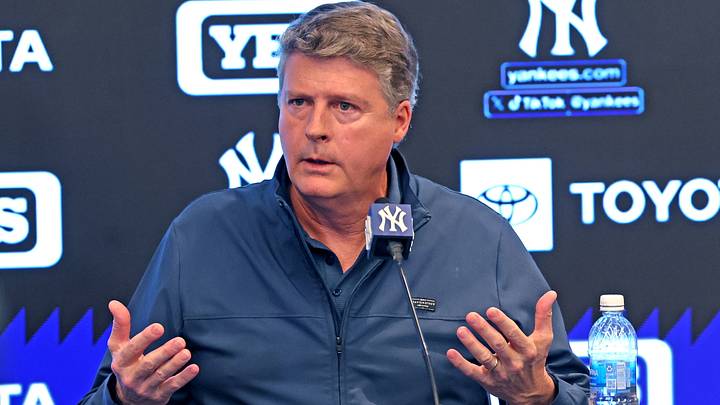
In a rare media appearance on October 21, Steinbrenner opened up the floor to reporters in a very questionable press conference that did anything but soothe Yankees fans’ troubled minds. But it was Steinbrenner’s growing frustration with questions about recent salary cap proposals that could signal a long and trying winter for the Yankees.
As reported by Danny Abriano of SNY, Steinbrenner appeared to be very avoidant of answering any direct questions surrounding the possibility of a salary cap in baseball. He all but shut down any further questions when asked how any proposal would actually benefit the Yankees moving forward.
Instead, he attempted to deflect, noting the World Series matchup between the Tampa Bay Rays and the Milwaukee Brewers.
“Listen, guys, we're two days away from the World Series. This, in my mind, is a time to celebrate the game,” Steinbrenner said.
That was pretty much a Bugs Bunny “He went that-a-way” type of distraction that will surely leave a sour taste in some Yankees’ fans mouths. But after continuing to double down on refusing to answer, it is becoming clear that Steinbrenner is prepared for the long haul in the labor talks.
“Now's not the time I'm going to start labor conversations. It just is not,” added Steinbrenner. “What I will say is as a member of the labor policy committee is that we are working hard on our end. We are completely focused on the task ahead of us, on the negotiating. And I'm optimistic we're gonna get a deal done, and we're gonna get a deal done that's favorable for both sides.”
Steinbrenner makes a media appearance about as often Punxsutawney Phil. So him not getting into the ongoing labor discussions now, besides just speaking the party line on the owners' current proposals and endorsing them, means we may never get an answer from him.
The Yankees have lived with the luxury tax for years
Steinbrenner’s deflection tactics certainly track, considering that he has already publicly acknowledged that ballooning payrolls were not exactly sustainable for the organization. With a 2026 roster clocked in at over $300 million, you can at least understand where he might be coming from in that aspect. But that doesn’t justify his obtuse non-answers regarding the payroll.
For baseball fans, they just want their favorite team to field the best roster possible. If that means that the organization needs to reach deep down in their pockets and spare some extra change, then so be it. Unfortunately, a growing amount of owners in baseball are feeling the hurt of spending that money.
The luxury tax was originally implemented in baseball in 1997. There have been a few new iterations of that tax since then, but the Yankees have more often than not found themselves paying tens of millions of dollars in taxes. In 2025, the team paid $61,774,820 in luxury taxes, a hefty chunk of change.
So the salary cap is a chance for owners to limit that spending and give their bank accounts (and team valuations) a chance to recover. With a net worth of $1.6 billion, Steinbrenner is in the bottom half of MLB owners’ net worth rankings. That constant luxury tax spending is clearly weighing heavy on him.
With a potential MLB lockout looming in the distance and owners like Steinbrenner not budging from their positions on a salary cap proposal, we may be facing a very long road ahead of us. Of course this will impact the free agent market and how teams will approach their spending. Of course this will also impact players on the field as well. But it's the fans who will lose the most if this battle drags on well into 2027.
 Add us as a preferred source on Google