%20%20--%3E%0A%3Csvg%20version%3D%221.1%22%20xmlns%3D%22http%3A%2F%2Fwww.w3.org%2F2000%2Fsvg%22%20xmlns%3Axlink%3D%22http%3A%2F%2Fwww.w3.org%2F1999%2Fxlink%22%20x%3D%220px%22%20y%3D%220px%22%0A%09%20viewBox%3D%220%200%202329.5%20200%22%20style%3D%22enable-background%3Anew%200%200%202329.5%20200%3B%22%20xml%3Aspace%3D%22preserve%22%3E%0A%3Cstyle%20type%3D%22text%2Fcss%22%3E%0A%09.st0%7Bfill%3A%23231F20%3B%7D%0A%09.st1%7Bfill%3A%23001641%3B%7D%0A%09.st2%7Bfill%3A%23FFFFFF%3B%7D%0A%09.st3%7Bfill%3A%23999999%3B%7D%0A%3C%2Fstyle%3E%0A%3Cg%20id%3D%22Template%22%3E%0A%3C%2Fg%3E%0A%3Cg%20id%3D%22Layer_2%22%3E%0A%09%3Cg%3E%0A%09%09%3Cpath%20class%3D%22st2%22%20d%3D%22M190.3%2C6.4h-77.2l-2.8%2C34.5h8.3c5%2C0%2C7.4%2C1.4%2C7.4%2C4.1c0%2C0.8-0.2%2C1.8-0.6%2C2.8L96.6%2C96l-29-48.3%0A%09%09%09c-0.4-1-0.6-1.9-0.6-2.8c0-2.8%2C2.5-4.1%2C7.4-4.1h8.3L80%2C6.4H2.8L0%2C40.9h11c4.6%2C0%2C8.7%2C2.3%2C12.4%2C6.9l52.3%2C82.6v27.7%0A%09%09%09c0%2C4.6-2.3%2C6.9-6.9%2C6.9H48.1l2.8%2C34.5h91l2.8-34.5H124c-4.6%2C0-6.9-2.3-6.9-6.9v-27.6h0.1l52.4-82.8c3.7-4.6%2C7.8-6.9%2C12.4-6.9h11%0A%09%09%09L190.3%2C6.4z%22%2F%3E%0A%09%09%3Cpath%20class%3D%22st2%22%20d%3D%22M379.3%2C158.1L351.7%2C47.8c0-4.6%2C2.3-6.9%2C6.9-6.9h9.7l-2.8-34.5h-131l-2.8%2C34.5h9.7c4.6%2C0%2C6.9%2C2.3%2C6.9%2C6.9%0A%09%09%09l-27.6%2C110.3c-2.8%2C4.6-6.4%2C6.9-11%2C6.9h-16.6l2.8%2C34.5h80l2.8-34.5H269c-4.6%2C0-6.9-2.3-6.9-6.9l4.8-20.7h66.2l4.8%2C20.7%0A%09%09%09c0%2C4.6-2.3%2C6.9-6.9%2C6.9h-9.7l2.8%2C34.5h80l2.8-34.5h-16.6C385.7%2C165%2C382.1%2C162.7%2C379.3%2C158.1z%20M274.5%2C105.6l15.2-64.7h20.7%0A%09%09%09l15.2%2C64.7H274.5z%22%2F%3E%0A%09%09%3Cpath%20class%3D%22st2%22%20d%3D%22M537.7%2C6.4l-2.8%2C34.5h20.7c4.6%2C0%2C6.9%2C2.3%2C6.9%2C6.9v80l-69-121.4h-66.2l-2.8%2C34.5h20.7c4.6%2C0%2C6.9%2C2.3%2C6.9%2C6.9%0A%09%09%09v110.3c0%2C4.6-2.3%2C6.9-6.9%2C6.9h-20.7l2.8%2C34.5h91l2.8-34.5h-20.7c-4.6%2C0-6.9-2.3-6.9-6.9v-80l69%2C121.4h41.4V47.8%0A%09%09%09c0-4.6%2C2.3-6.9%2C6.9-6.9h20.7l-2.8-34.5H537.7z%22%2F%3E%0A%09%09%3Cpath%20class%3D%22st2%22%20d%3D%22M814.6%2C158.1l-22.8-55.3h-6.8l22.6-55c1.8-4.6%2C5-6.9%2C9.7-6.9h17.9l-2.8-34.5h-52.4l-32.6%2C80h-29.5V47.8%0A%09%09%09c0-4.6%2C2.3-6.9%2C6.9-6.9h20.7l-2.8-34.5h-91l-2.8%2C34.5h20.7c4.6%2C0%2C6.9%2C2.3%2C6.9%2C6.9v110.3c0%2C4.6-2.3%2C6.9-6.9%2C6.9h-20.7l2.8%2C34.5h91%0A%09%09%09l2.8-34.5H725c-4.6%2C0-6.9-2.3-6.9-6.9v-37.2h37l32%2C78.6h52.4l2.8-34.5h-17.9C819.7%2C165%2C816.4%2C162.7%2C814.6%2C158.1z%22%2F%3E%0A%09%09%3Cpath%20class%3D%22st2%22%20d%3D%22M997.8%2C13.8c-6.8-5-16-7.4-27.6-7.4h-69c-27.6%2C0-41.4%2C13.8-41.4%2C41.4v27.6c0%2C27.6%2C13.8%2C41.4%2C41.4%2C41.4h75.9%0A%09%09%09c4.6%2C0%2C6.9%2C2.3%2C6.9%2C6.9v34.5c0%2C4.6-2.3%2C6.9-6.9%2C6.9h-75.9v-27.6h-41.4v62.1H984c27.6%2C0%2C41.4-13.8%2C41.4-41.4v-34.5%0A%09%09%09c0-27.6-13.8-41.4-41.4-41.4h-75.9c-4.6%2C0-6.9-2.3-6.9-6.9V47.8c0-4.6%2C2.3-6.9%2C6.9-6.9h69c4.6%2C0%2C6.9%2C2.3%2C6.9%2C6.9v20.7h41.4v-69%0A%09%09%09h-27.6V13.8z%22%2F%3E%0A%09%09%3Cpath%20class%3D%22st2%22%20d%3D%22M1233.9%2C13.8c-6.8-5-16-7.4-27.6-7.4h-69c-27.6%2C0-41.4%2C13.8-41.4%2C41.4v110.3c0%2C27.6%2C13.8%2C41.4%2C41.4%2C41.4h82.8%0A%09%09%09c27.6%2C0%2C41.4-13.8%2C41.4-41.4v-69h-75.9v34.5h34.5v34.5c0%2C4.6-2.3%2C6.9-6.9%2C6.9h-69c-4.6%2C0-6.9-2.3-6.9-6.9V47.8%0A%09%09%09c0-4.6%2C2.3-6.9%2C6.9-6.9h69c4.6%2C0%2C6.9%2C2.3%2C6.9%2C6.9v20.7h41.4v-69h-27.6V13.8z%22%2F%3E%0A%09%09%3Cpath%20class%3D%22st2%22%20d%3D%22M1403.3%2C6.4h-82.8c-27.6%2C0-41.4%2C13.8-41.4%2C41.4v110.3c0%2C27.6%2C13.8%2C41.4%2C41.4%2C41.4h82.8%0A%09%09%09c27.6%2C0%2C41.4-13.8%2C41.4-41.4V47.8C1444.7%2C20.2%2C1430.9%2C6.4%2C1403.3%2C6.4z%20M1403.3%2C158.1c0%2C4.6-2.3%2C6.9-6.9%2C6.9h-69%0A%09%09%09c-4.6%2C0-6.9-2.3-6.9-6.9V47.8c0-4.6%2C2.3-6.9%2C6.9-6.9h69c4.6%2C0%2C6.9%2C2.3%2C6.9%2C6.9V158.1z%22%2F%3E%0A%09%09%3Cpath%20class%3D%22st2%22%20d%3D%22M1705.7%2C6.4h-77.2l-2.8%2C34.5h8.3c5%2C0%2C7.4%2C1.4%2C7.4%2C4.1c0%2C0.8-0.2%2C1.8-0.6%2C2.8l-29%2C48.3l-29-48.3%0A%09%09%09c-0.4-1-0.6-1.9-0.6-2.8c0-2.8%2C2.5-4.1%2C7.4-4.1h8.3l-2.8-34.5h-77.2l-2.8%2C34.5h11c4.6%2C0%2C8.7%2C2.3%2C12.4%2C6.9l52.3%2C82.6v27.7%0A%09%09%09c0%2C4.6-2.3%2C6.9-6.9%2C6.9h-20.7l2.8%2C34.5h91l2.8-34.5h-20.7c-4.6%2C0-6.9-2.3-6.9-6.9v-27.6h0.1l52.4-82.8c3.7-4.6%2C7.8-6.9%2C12.4-6.9%0A%09%09%09h11L1705.7%2C6.4z%22%2F%3E%0A%09%09%3Cpath%20class%3D%22st2%22%20d%3D%22M1894.1%2C158.1l-27.6-110.3c0-4.6%2C2.3-6.9%2C6.9-6.9h9.7l-2.8-34.5h-131l-2.8%2C34.5h9.7c4.6%2C0%2C6.9%2C2.3%2C6.9%2C6.9%0A%09%09%09l-27.6%2C110.3c-2.8%2C4.6-6.4%2C6.9-11%2C6.9h-16.6l2.8%2C34.5h80l2.8-34.5h-9.7c-4.6%2C0-6.9-2.3-6.9-6.9l4.8-20.7h66.2l4.8%2C20.7%0A%09%09%09c0%2C4.6-2.3%2C6.9-6.9%2C6.9h-9.7l2.8%2C34.5h80l2.8-34.5h-16.6C1900.6%2C165%2C1896.9%2C162.7%2C1894.1%2C158.1z%20M1789.3%2C105.6l15.2-64.7h20.7%0A%09%09%09l15.2%2C64.7H1789.3z%22%2F%3E%0A%09%09%3Cpath%20class%3D%22st2%22%20d%3D%22M2104.9%2C158.1l-14.9-35.6c19.1-3.9%2C28.7-17.3%2C28.7-40.3V47.8c0-27.6-13.8-41.4-41.4-41.4h-135.2l-2.8%2C34.5%0A%09%09%09h20.7c4.6%2C0%2C6.9%2C2.3%2C6.9%2C6.9v110.3c0%2C4.6-2.3%2C6.9-6.9%2C6.9h-20.7l2.8%2C34.5h91l2.8-34.5h-20.7c-4.6%2C0-6.9-2.3-6.9-6.9v-34.5h38.1%0A%09%09%09l30.9%2C75.9h52.4l2.8-34.5h-17.9C2109.9%2C165%2C2106.7%2C162.7%2C2104.9%2C158.1z%20M2077.3%2C82.2c0%2C4.6-2.3%2C6.9-6.9%2C6.9h-62.1V47.8%0A%09%09%09c0-4.6%2C2.3-6.9%2C6.9-6.9h55.2c4.6%2C0%2C6.9%2C2.3%2C6.9%2C6.9V82.2z%22%2F%3E%0A%09%09%3Cpath%20class%3D%22st2%22%20d%3D%22M2288.1%2C6.4h-135.2l-2.8%2C34.5h20.7c4.6%2C0%2C6.9%2C2.3%2C6.9%2C6.9v110.3c0%2C4.6-2.3%2C6.9-6.9%2C6.9h-20.7l2.8%2C34.5h135.2%0A%09%09%09c27.6%2C0%2C41.4-13.8%2C41.4-41.4V47.8C2329.5%2C20.2%2C2315.7%2C6.4%2C2288.1%2C6.4z%20M2288.1%2C158.1c0%2C4.6-2.3%2C6.9-6.9%2C6.9H2226%0A%09%09%09c-4.6%2C0-6.9-2.3-6.9-6.9V47.8c0-4.6%2C2.3-6.9%2C6.9-6.9h55.2c4.6%2C0%2C6.9%2C2.3%2C6.9%2C6.9V158.1z%22%2F%3E%0A%09%3C%2Fg%3E%0A%3C%2Fg%3E%0A%3C%2Fsvg%3E%0A)

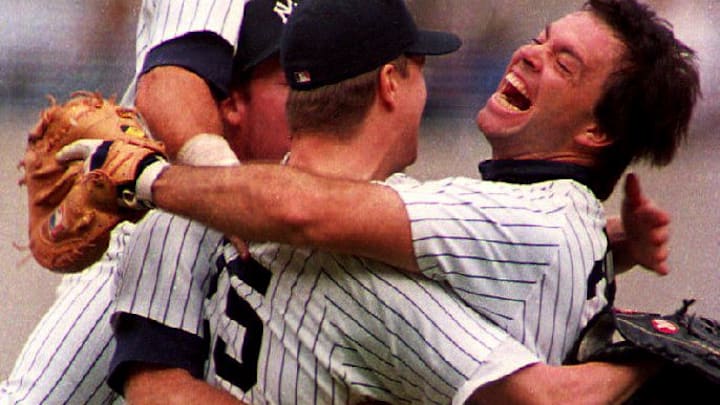
A no-hitter. Do you mention it? Do you blurt something out? Or do you stay silent? If you stay silent, is it diminishing the accomplishment? Shouldn't you be louder than normal? Or should everyone conspire to make the start feel as standard as possible, save for its obvious exceptional qualities?
Jim Abbott, a left-handed pitcher whose career spanned time with USA Baseball, the Michigan Wolverines, California Angels, New York Yankees, Chicago White Sox, and Milwaukee Brewers, reached the mountaintop on a chilly September day in 1993, the exact variety of day he most preferred to pitch in. For nine innings in an otherwise disappointing year, Abbott held the Cleveland lineup — one that Jeremy Schaap notes in ESPN's "Southpaw" might've included the most combined career homers of any order — completely dumbfounded. It was an ironically spectacular capper on a season in which Jack Curry of the New York Times called Abbott an "underachiever" ahead of the stretch run.
"In New York, they will boo Jim Abbott. They will boo anybody," Showalter, the ex-Yankees manager (wearing Mets gear) made sure to note.
Abbott, of course, wasn't just a left-hander; he was born without a right hand, and noting that he persevered "against the odds" to learn the game of baseball, blow batters away, and slickly field his position sounds diminishing. Before Abbott's rise, the odds didn't even exist. Naturally, he took offense to Curry's "underachiever" remark, after everything he'd been through to reach the big-league pedestal. He'd momentarily forgotten in a moment of weakness — which he makes clear in the film still gives him shame to this day — that he'd fought for 20 years to be held to the expectations set by his career, not his disability.
The lefty, who was selected eighth overall in the MLB Draft and finished third in the Cy Young chase in 1991, possessed an otherworldly cutter that allowed him not only to reach the bigs, but bypass the minors entirely. His development had already occurred on the rough-and-tumble streets of Flint, Michigan, and in locker rooms he wondered if he could ever fit into — until they saw what he could do.
Abbott used sports, baseball and high school football, to find a home. To find community. To break through the wall of loneliness. And yet, during the crowning achievement of his career, his teammates dared not speak to him. On the mound, he was singular and comfortable. Around him in the field, they jittered; as Showalter related in the film, they were "on their toes," saying, "I'm gonna be here for Jim" when the ninth rolled around.
But the burden of a no-hitter — the burden of inescapable silence — was nothing to Abbott. In some ways, he probably felt familiar, lonely and free. You could see it in his reaction to returning to the Yankee Stadium mound on Tuesday, too, to throw out the first pitch once again.
Thank you for this moment @Yankees. Standing on top of that mound again meant more to me than you can ever know https://t.co/CRhbs0HKxU
— Jim Abbott (@jabbottum31) July 9, 2025
ESPN documentary "Southpaw" sheds light on Jim Abbott's difference-making rise to fame, 1993 no-hitter with Yankees
It is possible that no athlete has ever touched more lives more directly than Abbott. Throughout his collegiate and big-league tenure, he met countless young people afflicted with similar disabilities. He made time for all of them. Perhaps even tougher, he met their desperate parents, hoping against hope that Abbott could show them, too, that there was a path to normalcy.
"[It was] a cherished experience. A daunting experience. A heavy experience, at times, to be honest," Abbott says in the film. "But it was my experience."
"With the parents, it ran deeper."
A documentary geared around a singular baseball game has a baked-in pacing, a ticking clock (despite the game's inherent untimed nature). The feature works perfectly to ground Abbott's chase for immortality; his crowning ninth inning arrives just after his lowest moment, berating Curry and breaking his own Cardinal Rule regarding the way he'd like to be viewed — a star who can be prodded, just like any other talent.
Be forewarned: The last 10+ minutes of the film, when the cheers die down from Abbott's crystallized-in-amber Yankees teammates, will break you down. But they also represent a series of gorgeous reunions, and the conclusion he deserves.
 Add us as a preferred source on Google