%20%20--%3E%0A%3Csvg%20version%3D%221.1%22%20xmlns%3D%22http%3A%2F%2Fwww.w3.org%2F2000%2Fsvg%22%20xmlns%3Axlink%3D%22http%3A%2F%2Fwww.w3.org%2F1999%2Fxlink%22%20x%3D%220px%22%20y%3D%220px%22%0A%09%20viewBox%3D%220%200%202329.5%20200%22%20style%3D%22enable-background%3Anew%200%200%202329.5%20200%3B%22%20xml%3Aspace%3D%22preserve%22%3E%0A%3Cstyle%20type%3D%22text%2Fcss%22%3E%0A%09.st0%7Bfill%3A%23231F20%3B%7D%0A%09.st1%7Bfill%3A%23001641%3B%7D%0A%09.st2%7Bfill%3A%23FFFFFF%3B%7D%0A%09.st3%7Bfill%3A%23999999%3B%7D%0A%3C%2Fstyle%3E%0A%3Cg%20id%3D%22Template%22%3E%0A%3C%2Fg%3E%0A%3Cg%20id%3D%22Layer_2%22%3E%0A%09%3Cg%3E%0A%09%09%3Cpath%20class%3D%22st2%22%20d%3D%22M190.3%2C6.4h-77.2l-2.8%2C34.5h8.3c5%2C0%2C7.4%2C1.4%2C7.4%2C4.1c0%2C0.8-0.2%2C1.8-0.6%2C2.8L96.6%2C96l-29-48.3%0A%09%09%09c-0.4-1-0.6-1.9-0.6-2.8c0-2.8%2C2.5-4.1%2C7.4-4.1h8.3L80%2C6.4H2.8L0%2C40.9h11c4.6%2C0%2C8.7%2C2.3%2C12.4%2C6.9l52.3%2C82.6v27.7%0A%09%09%09c0%2C4.6-2.3%2C6.9-6.9%2C6.9H48.1l2.8%2C34.5h91l2.8-34.5H124c-4.6%2C0-6.9-2.3-6.9-6.9v-27.6h0.1l52.4-82.8c3.7-4.6%2C7.8-6.9%2C12.4-6.9h11%0A%09%09%09L190.3%2C6.4z%22%2F%3E%0A%09%09%3Cpath%20class%3D%22st2%22%20d%3D%22M379.3%2C158.1L351.7%2C47.8c0-4.6%2C2.3-6.9%2C6.9-6.9h9.7l-2.8-34.5h-131l-2.8%2C34.5h9.7c4.6%2C0%2C6.9%2C2.3%2C6.9%2C6.9%0A%09%09%09l-27.6%2C110.3c-2.8%2C4.6-6.4%2C6.9-11%2C6.9h-16.6l2.8%2C34.5h80l2.8-34.5H269c-4.6%2C0-6.9-2.3-6.9-6.9l4.8-20.7h66.2l4.8%2C20.7%0A%09%09%09c0%2C4.6-2.3%2C6.9-6.9%2C6.9h-9.7l2.8%2C34.5h80l2.8-34.5h-16.6C385.7%2C165%2C382.1%2C162.7%2C379.3%2C158.1z%20M274.5%2C105.6l15.2-64.7h20.7%0A%09%09%09l15.2%2C64.7H274.5z%22%2F%3E%0A%09%09%3Cpath%20class%3D%22st2%22%20d%3D%22M537.7%2C6.4l-2.8%2C34.5h20.7c4.6%2C0%2C6.9%2C2.3%2C6.9%2C6.9v80l-69-121.4h-66.2l-2.8%2C34.5h20.7c4.6%2C0%2C6.9%2C2.3%2C6.9%2C6.9%0A%09%09%09v110.3c0%2C4.6-2.3%2C6.9-6.9%2C6.9h-20.7l2.8%2C34.5h91l2.8-34.5h-20.7c-4.6%2C0-6.9-2.3-6.9-6.9v-80l69%2C121.4h41.4V47.8%0A%09%09%09c0-4.6%2C2.3-6.9%2C6.9-6.9h20.7l-2.8-34.5H537.7z%22%2F%3E%0A%09%09%3Cpath%20class%3D%22st2%22%20d%3D%22M814.6%2C158.1l-22.8-55.3h-6.8l22.6-55c1.8-4.6%2C5-6.9%2C9.7-6.9h17.9l-2.8-34.5h-52.4l-32.6%2C80h-29.5V47.8%0A%09%09%09c0-4.6%2C2.3-6.9%2C6.9-6.9h20.7l-2.8-34.5h-91l-2.8%2C34.5h20.7c4.6%2C0%2C6.9%2C2.3%2C6.9%2C6.9v110.3c0%2C4.6-2.3%2C6.9-6.9%2C6.9h-20.7l2.8%2C34.5h91%0A%09%09%09l2.8-34.5H725c-4.6%2C0-6.9-2.3-6.9-6.9v-37.2h37l32%2C78.6h52.4l2.8-34.5h-17.9C819.7%2C165%2C816.4%2C162.7%2C814.6%2C158.1z%22%2F%3E%0A%09%09%3Cpath%20class%3D%22st2%22%20d%3D%22M997.8%2C13.8c-6.8-5-16-7.4-27.6-7.4h-69c-27.6%2C0-41.4%2C13.8-41.4%2C41.4v27.6c0%2C27.6%2C13.8%2C41.4%2C41.4%2C41.4h75.9%0A%09%09%09c4.6%2C0%2C6.9%2C2.3%2C6.9%2C6.9v34.5c0%2C4.6-2.3%2C6.9-6.9%2C6.9h-75.9v-27.6h-41.4v62.1H984c27.6%2C0%2C41.4-13.8%2C41.4-41.4v-34.5%0A%09%09%09c0-27.6-13.8-41.4-41.4-41.4h-75.9c-4.6%2C0-6.9-2.3-6.9-6.9V47.8c0-4.6%2C2.3-6.9%2C6.9-6.9h69c4.6%2C0%2C6.9%2C2.3%2C6.9%2C6.9v20.7h41.4v-69%0A%09%09%09h-27.6V13.8z%22%2F%3E%0A%09%09%3Cpath%20class%3D%22st2%22%20d%3D%22M1233.9%2C13.8c-6.8-5-16-7.4-27.6-7.4h-69c-27.6%2C0-41.4%2C13.8-41.4%2C41.4v110.3c0%2C27.6%2C13.8%2C41.4%2C41.4%2C41.4h82.8%0A%09%09%09c27.6%2C0%2C41.4-13.8%2C41.4-41.4v-69h-75.9v34.5h34.5v34.5c0%2C4.6-2.3%2C6.9-6.9%2C6.9h-69c-4.6%2C0-6.9-2.3-6.9-6.9V47.8%0A%09%09%09c0-4.6%2C2.3-6.9%2C6.9-6.9h69c4.6%2C0%2C6.9%2C2.3%2C6.9%2C6.9v20.7h41.4v-69h-27.6V13.8z%22%2F%3E%0A%09%09%3Cpath%20class%3D%22st2%22%20d%3D%22M1403.3%2C6.4h-82.8c-27.6%2C0-41.4%2C13.8-41.4%2C41.4v110.3c0%2C27.6%2C13.8%2C41.4%2C41.4%2C41.4h82.8%0A%09%09%09c27.6%2C0%2C41.4-13.8%2C41.4-41.4V47.8C1444.7%2C20.2%2C1430.9%2C6.4%2C1403.3%2C6.4z%20M1403.3%2C158.1c0%2C4.6-2.3%2C6.9-6.9%2C6.9h-69%0A%09%09%09c-4.6%2C0-6.9-2.3-6.9-6.9V47.8c0-4.6%2C2.3-6.9%2C6.9-6.9h69c4.6%2C0%2C6.9%2C2.3%2C6.9%2C6.9V158.1z%22%2F%3E%0A%09%09%3Cpath%20class%3D%22st2%22%20d%3D%22M1705.7%2C6.4h-77.2l-2.8%2C34.5h8.3c5%2C0%2C7.4%2C1.4%2C7.4%2C4.1c0%2C0.8-0.2%2C1.8-0.6%2C2.8l-29%2C48.3l-29-48.3%0A%09%09%09c-0.4-1-0.6-1.9-0.6-2.8c0-2.8%2C2.5-4.1%2C7.4-4.1h8.3l-2.8-34.5h-77.2l-2.8%2C34.5h11c4.6%2C0%2C8.7%2C2.3%2C12.4%2C6.9l52.3%2C82.6v27.7%0A%09%09%09c0%2C4.6-2.3%2C6.9-6.9%2C6.9h-20.7l2.8%2C34.5h91l2.8-34.5h-20.7c-4.6%2C0-6.9-2.3-6.9-6.9v-27.6h0.1l52.4-82.8c3.7-4.6%2C7.8-6.9%2C12.4-6.9%0A%09%09%09h11L1705.7%2C6.4z%22%2F%3E%0A%09%09%3Cpath%20class%3D%22st2%22%20d%3D%22M1894.1%2C158.1l-27.6-110.3c0-4.6%2C2.3-6.9%2C6.9-6.9h9.7l-2.8-34.5h-131l-2.8%2C34.5h9.7c4.6%2C0%2C6.9%2C2.3%2C6.9%2C6.9%0A%09%09%09l-27.6%2C110.3c-2.8%2C4.6-6.4%2C6.9-11%2C6.9h-16.6l2.8%2C34.5h80l2.8-34.5h-9.7c-4.6%2C0-6.9-2.3-6.9-6.9l4.8-20.7h66.2l4.8%2C20.7%0A%09%09%09c0%2C4.6-2.3%2C6.9-6.9%2C6.9h-9.7l2.8%2C34.5h80l2.8-34.5h-16.6C1900.6%2C165%2C1896.9%2C162.7%2C1894.1%2C158.1z%20M1789.3%2C105.6l15.2-64.7h20.7%0A%09%09%09l15.2%2C64.7H1789.3z%22%2F%3E%0A%09%09%3Cpath%20class%3D%22st2%22%20d%3D%22M2104.9%2C158.1l-14.9-35.6c19.1-3.9%2C28.7-17.3%2C28.7-40.3V47.8c0-27.6-13.8-41.4-41.4-41.4h-135.2l-2.8%2C34.5%0A%09%09%09h20.7c4.6%2C0%2C6.9%2C2.3%2C6.9%2C6.9v110.3c0%2C4.6-2.3%2C6.9-6.9%2C6.9h-20.7l2.8%2C34.5h91l2.8-34.5h-20.7c-4.6%2C0-6.9-2.3-6.9-6.9v-34.5h38.1%0A%09%09%09l30.9%2C75.9h52.4l2.8-34.5h-17.9C2109.9%2C165%2C2106.7%2C162.7%2C2104.9%2C158.1z%20M2077.3%2C82.2c0%2C4.6-2.3%2C6.9-6.9%2C6.9h-62.1V47.8%0A%09%09%09c0-4.6%2C2.3-6.9%2C6.9-6.9h55.2c4.6%2C0%2C6.9%2C2.3%2C6.9%2C6.9V82.2z%22%2F%3E%0A%09%09%3Cpath%20class%3D%22st2%22%20d%3D%22M2288.1%2C6.4h-135.2l-2.8%2C34.5h20.7c4.6%2C0%2C6.9%2C2.3%2C6.9%2C6.9v110.3c0%2C4.6-2.3%2C6.9-6.9%2C6.9h-20.7l2.8%2C34.5h135.2%0A%09%09%09c27.6%2C0%2C41.4-13.8%2C41.4-41.4V47.8C2329.5%2C20.2%2C2315.7%2C6.4%2C2288.1%2C6.4z%20M2288.1%2C158.1c0%2C4.6-2.3%2C6.9-6.9%2C6.9H2226%0A%09%09%09c-4.6%2C0-6.9-2.3-6.9-6.9V47.8c0-4.6%2C2.3-6.9%2C6.9-6.9h55.2c4.6%2C0%2C6.9%2C2.3%2C6.9%2C6.9V158.1z%22%2F%3E%0A%09%3C%2Fg%3E%0A%3C%2Fg%3E%0A%3C%2Fsvg%3E%0A)

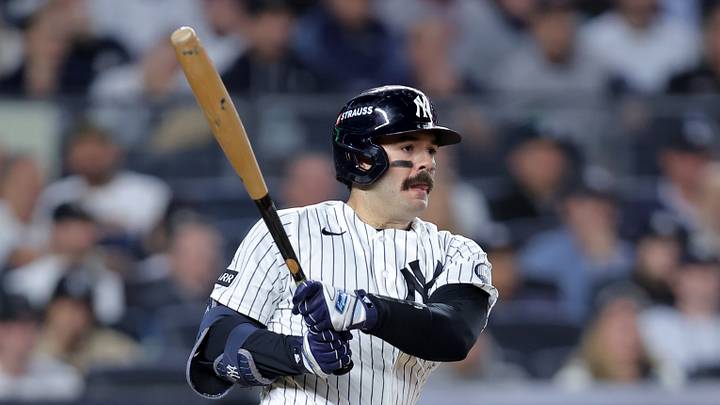
The speculation is that rather than replacing Austin Wells as the New York Yankees' starting catcher, the club will look at options to complement him. If anything, the Minnesota Twins' decision to give Ryan Jeffers the qualifying offer only nudges the Yankees in that direction.
Wells hit just .186/.292/.332 in 2026, but it was very much a tale of two seasons. The 27-year-old put up an abysmal 41 wRC+ in the first half, but his 124 wRC+ in the second half gave credence to the idea that the cervical headaches that landed him on the IL in June were the root cause of his struggles.
Still, Wells could use a platoon partner who is better than Ali Sanchez (and hopefully significantly so). Even once he recovered from the headaches, Wells hit just .148/.233/.296 with a 33.3% strikeout rate against left-handed pitching in the second half.
Fortunately, a prime option may have emerged after Chicago Cubs catcher Carson Kelly declined his end of a mutual option and became a free agent.
Carson Kelly would give the Yankees an ideal Austin Wells' platoon partner with starting upside
The 32-year-old Kelly spent the last two seasons on Chicago's North Side, hitting .249/.333/.428 with 17 home runs in 2025 and .258/.336/.376 with 10 dingers in 2026. Those are some solid performances, though his power took a bit of a hit this year.
When it comes to the bat, the real benefit to Kelly comes from his ability to mash lefties. In 2026, he hit .298/.375/.496 against southpaws and has posted a .267/.353/.469 line versus them for his career.
CARSON KELLY JUST HIT FOR THE CYCLE 🤯
— Marquee Sports Network (@WatchMarquee) April 1, 2025
It's the first Cubs cycle since 1993 by Mark Grace. pic.twitter.com/EdRlTRy6RK
Pair that with the .248/.377/.469 post-headache line that Wells put up in the second half against right-handed pitching, and now you're cooking with gas. An argument could be made that this duo could be better than Jeffers, Tyler Stephenson, or any other top option the Yankees could acquire.
It would also give New York another year to see if Wells can finally rise to the level that his prospect promise predicted. We all know how Brian Cashman hates pulling the ripcord when it comes to his top prospects, but with Wells, a bit more patience might actually be warranted.
Kelly isn't quite the defensive player that Wells is, but he's at worst a neutral presence behind the plate. He was an 89th percentile pitch blocker in 2026, while his framing came out just a hair above average. Where he struggles is in the run game, which is unfortunately another area where Wells is also deficient.
Kelly has long straddled the starter-backup line, and overall, he's good enough to step into the lineup on an everyday basis if Wells were to get hurt or underperform. However, he's not quite at the level where he'd reach a price tag that the Yankees would feel uncomfortable paying.
The option Kelly declined was for $7.5 million, which is a decent chunk of change. He was coming off a two-year, $11.5 million deal. It might make sense for the Yankees to give Kelly a modest pay raise over two years, rather than try to lure him with a one-year contract. Either way, he should be relatively affordable, and he brings what New York needs to the table. Time to get the job done.
 Add us as a preferred source on Google