%20%20--%3E%0A%3Csvg%20version%3D%221.1%22%20xmlns%3D%22http%3A%2F%2Fwww.w3.org%2F2000%2Fsvg%22%20xmlns%3Axlink%3D%22http%3A%2F%2Fwww.w3.org%2F1999%2Fxlink%22%20x%3D%220px%22%20y%3D%220px%22%0A%09%20viewBox%3D%220%200%202329.5%20200%22%20style%3D%22enable-background%3Anew%200%200%202329.5%20200%3B%22%20xml%3Aspace%3D%22preserve%22%3E%0A%3Cstyle%20type%3D%22text%2Fcss%22%3E%0A%09.st0%7Bfill%3A%23231F20%3B%7D%0A%09.st1%7Bfill%3A%23001641%3B%7D%0A%09.st2%7Bfill%3A%23FFFFFF%3B%7D%0A%09.st3%7Bfill%3A%23999999%3B%7D%0A%3C%2Fstyle%3E%0A%3Cg%20id%3D%22Template%22%3E%0A%3C%2Fg%3E%0A%3Cg%20id%3D%22Layer_2%22%3E%0A%09%3Cg%3E%0A%09%09%3Cpath%20class%3D%22st2%22%20d%3D%22M190.3%2C6.4h-77.2l-2.8%2C34.5h8.3c5%2C0%2C7.4%2C1.4%2C7.4%2C4.1c0%2C0.8-0.2%2C1.8-0.6%2C2.8L96.6%2C96l-29-48.3%0A%09%09%09c-0.4-1-0.6-1.9-0.6-2.8c0-2.8%2C2.5-4.1%2C7.4-4.1h8.3L80%2C6.4H2.8L0%2C40.9h11c4.6%2C0%2C8.7%2C2.3%2C12.4%2C6.9l52.3%2C82.6v27.7%0A%09%09%09c0%2C4.6-2.3%2C6.9-6.9%2C6.9H48.1l2.8%2C34.5h91l2.8-34.5H124c-4.6%2C0-6.9-2.3-6.9-6.9v-27.6h0.1l52.4-82.8c3.7-4.6%2C7.8-6.9%2C12.4-6.9h11%0A%09%09%09L190.3%2C6.4z%22%2F%3E%0A%09%09%3Cpath%20class%3D%22st2%22%20d%3D%22M379.3%2C158.1L351.7%2C47.8c0-4.6%2C2.3-6.9%2C6.9-6.9h9.7l-2.8-34.5h-131l-2.8%2C34.5h9.7c4.6%2C0%2C6.9%2C2.3%2C6.9%2C6.9%0A%09%09%09l-27.6%2C110.3c-2.8%2C4.6-6.4%2C6.9-11%2C6.9h-16.6l2.8%2C34.5h80l2.8-34.5H269c-4.6%2C0-6.9-2.3-6.9-6.9l4.8-20.7h66.2l4.8%2C20.7%0A%09%09%09c0%2C4.6-2.3%2C6.9-6.9%2C6.9h-9.7l2.8%2C34.5h80l2.8-34.5h-16.6C385.7%2C165%2C382.1%2C162.7%2C379.3%2C158.1z%20M274.5%2C105.6l15.2-64.7h20.7%0A%09%09%09l15.2%2C64.7H274.5z%22%2F%3E%0A%09%09%3Cpath%20class%3D%22st2%22%20d%3D%22M537.7%2C6.4l-2.8%2C34.5h20.7c4.6%2C0%2C6.9%2C2.3%2C6.9%2C6.9v80l-69-121.4h-66.2l-2.8%2C34.5h20.7c4.6%2C0%2C6.9%2C2.3%2C6.9%2C6.9%0A%09%09%09v110.3c0%2C4.6-2.3%2C6.9-6.9%2C6.9h-20.7l2.8%2C34.5h91l2.8-34.5h-20.7c-4.6%2C0-6.9-2.3-6.9-6.9v-80l69%2C121.4h41.4V47.8%0A%09%09%09c0-4.6%2C2.3-6.9%2C6.9-6.9h20.7l-2.8-34.5H537.7z%22%2F%3E%0A%09%09%3Cpath%20class%3D%22st2%22%20d%3D%22M814.6%2C158.1l-22.8-55.3h-6.8l22.6-55c1.8-4.6%2C5-6.9%2C9.7-6.9h17.9l-2.8-34.5h-52.4l-32.6%2C80h-29.5V47.8%0A%09%09%09c0-4.6%2C2.3-6.9%2C6.9-6.9h20.7l-2.8-34.5h-91l-2.8%2C34.5h20.7c4.6%2C0%2C6.9%2C2.3%2C6.9%2C6.9v110.3c0%2C4.6-2.3%2C6.9-6.9%2C6.9h-20.7l2.8%2C34.5h91%0A%09%09%09l2.8-34.5H725c-4.6%2C0-6.9-2.3-6.9-6.9v-37.2h37l32%2C78.6h52.4l2.8-34.5h-17.9C819.7%2C165%2C816.4%2C162.7%2C814.6%2C158.1z%22%2F%3E%0A%09%09%3Cpath%20class%3D%22st2%22%20d%3D%22M997.8%2C13.8c-6.8-5-16-7.4-27.6-7.4h-69c-27.6%2C0-41.4%2C13.8-41.4%2C41.4v27.6c0%2C27.6%2C13.8%2C41.4%2C41.4%2C41.4h75.9%0A%09%09%09c4.6%2C0%2C6.9%2C2.3%2C6.9%2C6.9v34.5c0%2C4.6-2.3%2C6.9-6.9%2C6.9h-75.9v-27.6h-41.4v62.1H984c27.6%2C0%2C41.4-13.8%2C41.4-41.4v-34.5%0A%09%09%09c0-27.6-13.8-41.4-41.4-41.4h-75.9c-4.6%2C0-6.9-2.3-6.9-6.9V47.8c0-4.6%2C2.3-6.9%2C6.9-6.9h69c4.6%2C0%2C6.9%2C2.3%2C6.9%2C6.9v20.7h41.4v-69%0A%09%09%09h-27.6V13.8z%22%2F%3E%0A%09%09%3Cpath%20class%3D%22st2%22%20d%3D%22M1233.9%2C13.8c-6.8-5-16-7.4-27.6-7.4h-69c-27.6%2C0-41.4%2C13.8-41.4%2C41.4v110.3c0%2C27.6%2C13.8%2C41.4%2C41.4%2C41.4h82.8%0A%09%09%09c27.6%2C0%2C41.4-13.8%2C41.4-41.4v-69h-75.9v34.5h34.5v34.5c0%2C4.6-2.3%2C6.9-6.9%2C6.9h-69c-4.6%2C0-6.9-2.3-6.9-6.9V47.8%0A%09%09%09c0-4.6%2C2.3-6.9%2C6.9-6.9h69c4.6%2C0%2C6.9%2C2.3%2C6.9%2C6.9v20.7h41.4v-69h-27.6V13.8z%22%2F%3E%0A%09%09%3Cpath%20class%3D%22st2%22%20d%3D%22M1403.3%2C6.4h-82.8c-27.6%2C0-41.4%2C13.8-41.4%2C41.4v110.3c0%2C27.6%2C13.8%2C41.4%2C41.4%2C41.4h82.8%0A%09%09%09c27.6%2C0%2C41.4-13.8%2C41.4-41.4V47.8C1444.7%2C20.2%2C1430.9%2C6.4%2C1403.3%2C6.4z%20M1403.3%2C158.1c0%2C4.6-2.3%2C6.9-6.9%2C6.9h-69%0A%09%09%09c-4.6%2C0-6.9-2.3-6.9-6.9V47.8c0-4.6%2C2.3-6.9%2C6.9-6.9h69c4.6%2C0%2C6.9%2C2.3%2C6.9%2C6.9V158.1z%22%2F%3E%0A%09%09%3Cpath%20class%3D%22st2%22%20d%3D%22M1705.7%2C6.4h-77.2l-2.8%2C34.5h8.3c5%2C0%2C7.4%2C1.4%2C7.4%2C4.1c0%2C0.8-0.2%2C1.8-0.6%2C2.8l-29%2C48.3l-29-48.3%0A%09%09%09c-0.4-1-0.6-1.9-0.6-2.8c0-2.8%2C2.5-4.1%2C7.4-4.1h8.3l-2.8-34.5h-77.2l-2.8%2C34.5h11c4.6%2C0%2C8.7%2C2.3%2C12.4%2C6.9l52.3%2C82.6v27.7%0A%09%09%09c0%2C4.6-2.3%2C6.9-6.9%2C6.9h-20.7l2.8%2C34.5h91l2.8-34.5h-20.7c-4.6%2C0-6.9-2.3-6.9-6.9v-27.6h0.1l52.4-82.8c3.7-4.6%2C7.8-6.9%2C12.4-6.9%0A%09%09%09h11L1705.7%2C6.4z%22%2F%3E%0A%09%09%3Cpath%20class%3D%22st2%22%20d%3D%22M1894.1%2C158.1l-27.6-110.3c0-4.6%2C2.3-6.9%2C6.9-6.9h9.7l-2.8-34.5h-131l-2.8%2C34.5h9.7c4.6%2C0%2C6.9%2C2.3%2C6.9%2C6.9%0A%09%09%09l-27.6%2C110.3c-2.8%2C4.6-6.4%2C6.9-11%2C6.9h-16.6l2.8%2C34.5h80l2.8-34.5h-9.7c-4.6%2C0-6.9-2.3-6.9-6.9l4.8-20.7h66.2l4.8%2C20.7%0A%09%09%09c0%2C4.6-2.3%2C6.9-6.9%2C6.9h-9.7l2.8%2C34.5h80l2.8-34.5h-16.6C1900.6%2C165%2C1896.9%2C162.7%2C1894.1%2C158.1z%20M1789.3%2C105.6l15.2-64.7h20.7%0A%09%09%09l15.2%2C64.7H1789.3z%22%2F%3E%0A%09%09%3Cpath%20class%3D%22st2%22%20d%3D%22M2104.9%2C158.1l-14.9-35.6c19.1-3.9%2C28.7-17.3%2C28.7-40.3V47.8c0-27.6-13.8-41.4-41.4-41.4h-135.2l-2.8%2C34.5%0A%09%09%09h20.7c4.6%2C0%2C6.9%2C2.3%2C6.9%2C6.9v110.3c0%2C4.6-2.3%2C6.9-6.9%2C6.9h-20.7l2.8%2C34.5h91l2.8-34.5h-20.7c-4.6%2C0-6.9-2.3-6.9-6.9v-34.5h38.1%0A%09%09%09l30.9%2C75.9h52.4l2.8-34.5h-17.9C2109.9%2C165%2C2106.7%2C162.7%2C2104.9%2C158.1z%20M2077.3%2C82.2c0%2C4.6-2.3%2C6.9-6.9%2C6.9h-62.1V47.8%0A%09%09%09c0-4.6%2C2.3-6.9%2C6.9-6.9h55.2c4.6%2C0%2C6.9%2C2.3%2C6.9%2C6.9V82.2z%22%2F%3E%0A%09%09%3Cpath%20class%3D%22st2%22%20d%3D%22M2288.1%2C6.4h-135.2l-2.8%2C34.5h20.7c4.6%2C0%2C6.9%2C2.3%2C6.9%2C6.9v110.3c0%2C4.6-2.3%2C6.9-6.9%2C6.9h-20.7l2.8%2C34.5h135.2%0A%09%09%09c27.6%2C0%2C41.4-13.8%2C41.4-41.4V47.8C2329.5%2C20.2%2C2315.7%2C6.4%2C2288.1%2C6.4z%20M2288.1%2C158.1c0%2C4.6-2.3%2C6.9-6.9%2C6.9H2226%0A%09%09%09c-4.6%2C0-6.9-2.3-6.9-6.9V47.8c0-4.6%2C2.3-6.9%2C6.9-6.9h55.2c4.6%2C0%2C6.9%2C2.3%2C6.9%2C6.9V158.1z%22%2F%3E%0A%09%3C%2Fg%3E%0A%3C%2Fg%3E%0A%3C%2Fsvg%3E%0A)

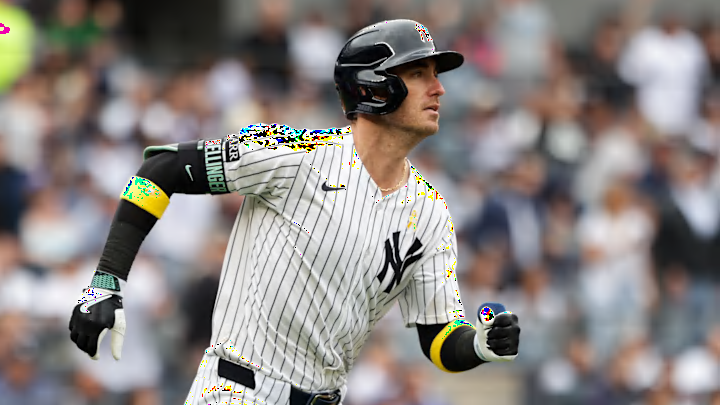
The New York Yankees still have business to take care of in 2025. The season is winding down, and the club has eyes on making a deep October run, but numerous decisions await them once the postseason music stops.
A number of critical players will become free agents. As we've seen this season, various holes are present on this roster, and more may be exposed in the playoffs. With a World Series or bust mandate every year, Brian Cashman will have his work cut out for him, and despite whatever success the team ultimately achieves in 2025, it would behoove him to eliminate as many pain points as possible that plagued the club this year.
At the same time, the Yankees will be staring down bidding wars for some of their top free agents, and depending on the 2025 post-mortem, might need to consider new leadership in the dugout. Fortune favors the prepared, so these key offseason decisions should be on the organization's mind now so that decisive action can be taken when the time comes.
5 offseason decisions the Yankees already need to be thinking about for 2026
Whether they should retain Cody Bellinger, Trent Grisham, or both
While Cody Bellinger isn't technically a free agent, it's a foregone conclusion that he will opt out and find a robust market. At the same time, Trent Grisham's career year is only upping his price tag, especially with him now topping the 30-homer plateau on the season.
Without these two, the Yankee outfield will consist of just Jasson Dominguez and Aaron Judge as everyday options. That's less than ideal because, as we saw this season, the Yankees need to protect Judge at all costs, so they'll need more starting-caliber outfielders in order to give him DH days, while Dominguez's inability to hit lefties has rendered him ill-equipped to be a full-time starter at this point in his career (not to mention his bad defense in left field).
Bellinger and Grisham are both left-handed bats, so on the surface they don't solve the lineup problem versus southpaws. However, Bellinger has a reverse-splits against lefties with an eye-popping 1.003 OPS this season and an .802 mark for his career.
Further complicating matters is that top prospect Spencer Jones is lurking, presenting a unique conundrum thanks to his massive hot streak that spanned Double-A Somerset and Triple-A Scranton/Wilkes-Barre. He still hasn't solved his strikeout woes, though, posting a 35.5% K-rate between the two levels.
Assets will be limited, thanks in part to the Yankees' self-imposed budget and dead money on the books to players like DJ LeMahieu, who are being paid not to be Yankees anymore, which means if only one can be brought back, it should be Bellinger. His versatility, ability to handle left-handed pitching, and superior defense give him the slight edge, though his pedigree probably makes him the more expensive proposition.
Coming up with a plan to actually fix the bullpen
The biggest storyline of the trade deadline was Brian Cashman's desperate effort to fix a struggling Yankee bullpen. Initially, most of the moves seemed solid, but in practice it has been much more of a mixed bag.
If anything, the unit as a whole has gotten worse. As of July 31, Yankee relievers ranked 20th in the majors with a 4.19 ERA. From Aug. 1 - Sept. 16, the relief corps has been the worst in baseball with a 5.71 mark.
The Yankees will have decisions to make on three of their incumbents. After Devin Williams' Airbender flopped in the Bronx, he's as good as gone, but the Yankees will have much tougher decisions as to whether or not they should push hard to re-sign Luke Weaver, and whether they'd like to pick up Tim Hill's option for 2026.
Beyond that, they'll have to navigate what to do with the rest of the controllable arms already on the roster. David Bednar will be around, and he's been mostly good since coming over from Pittsburgh at the deadline. On the other hand, Camilo Doval has been mostly a trainwreck after a decent first half in San Francisco.
Others who've been with the club all season and also still have team control present different dilemmas. Fernando Cruz's strikeout rate is electric, but he hasn't consistently proven that he can be trusted in big spots. Mark Leiter Jr. will be entering his final year of arbitration, but has he terrorized the fans enough?
This unfortunately looks to be a near total teardown, and Brian Cashman can't let this unit be this bad again.
First base, catcher, and the best way to deploy Ben Rice
Paul Goldschmidt has been serviceable, but at 38 years old the free-agent-to-be is mostly a platoon bat against lefties. That means it's time for the Yankees to move on. That opens up a full-time spot for Ben Rice, once of the league's most underappreciated hitters, at first base. Problem solved, right?
Well, it's a bit more complicated than that. There's an argument to be made that the best solution, at least offensively, involves re-signing both Bellinger and Grisham, with Bellinger playing mostly first base, and Rice sliding behind the plate full-time.
In an albeit small sample, Rice has produced an .877 OPS when catching, his best mark amongst all the positions he's played. At the same time, Austin Wells has struggled mightily all year, and his second-half OPS of .630 is 109 points lower than the .739 mark he put up in the first half of the season.
That would be an expensive solution, and given the need for assets to be spent elsewhere it might not be one the Yankees consider. Beyond that, making Rice the everyday catcher would mean admitting failure with Wells, something the Yankees are loath to do.
With all that said, the Yankees will need to figure out how to handle these two positions, and the solution needs to involve Rice having regular playing time at one of them.
Bringing in competition for Anthony Volpe
The Yankees have been steadfast in their defense of Anthony Volpe and his struggles and regressions throughout the first three years of his career. That likely isn't going to change, especially given the revelation that he's been playing with a partially torn labrum, which only serves to provide another excuse to justify his struggles.
Still, due to the injury, Volpe has taken a back seat recently to Jose Caballero. Caballero provides solid defense and blazing speed, but the big appeal when he was acquired at the trade deadline was his versatility. If Volpe were to struggle in 2026 again and the Yankees finally decide to pull the plug, inserting Caballero into the starting lineup means they lose the flexibility he provides off the bench.
The free-agent shortstop class is slim pickings, with Bo Bichette and Trevor Story (if he opts out) being the best options. The Yankees likely don't dip their toes into that market, but they could target a lesser option or another utility man to give Volpe some competition and/or serve as a super-utility player should Caballero need to step in as the starting shortstop.
Consider a managerial change
This was likely something that was on the docket this time last season, but a run to the World Series flipped everything and led to the club handing Aaron Boone a two-year extension instead.
Frustratingly, the gaffes and blunders that plagued New York in the World Series have become prominent issues at many points throughout this season. That's led to a vocal contingent among the fan base to call for regime change, although it won't be that simple.
A lot hinges on how the club fares in the postseason. If the Yankees make a deep run, Boone is likely safe. But an early exit could have the pendulum swing in the other direction. Firing Boone wouldn't only result in a financial loss, but it'd also leave the team with egg on its face, which means it's not a decision that will be taken lightly.
Winning cures all ills in these parts, but failure to perform under the brightest lights could have dire consequences, as the mandate to reach the baseball mountaintop becomes more and more severe as the title drought grows.
The Yankees don't know what they'll do with Boone yet, but it wouldn't hurt to start coming up with a short list of candidates if they do opt to replace him.
 Add us as a preferred source on Google